Are You Making Any of These Common Fly Control Mistakes with Your Horse?
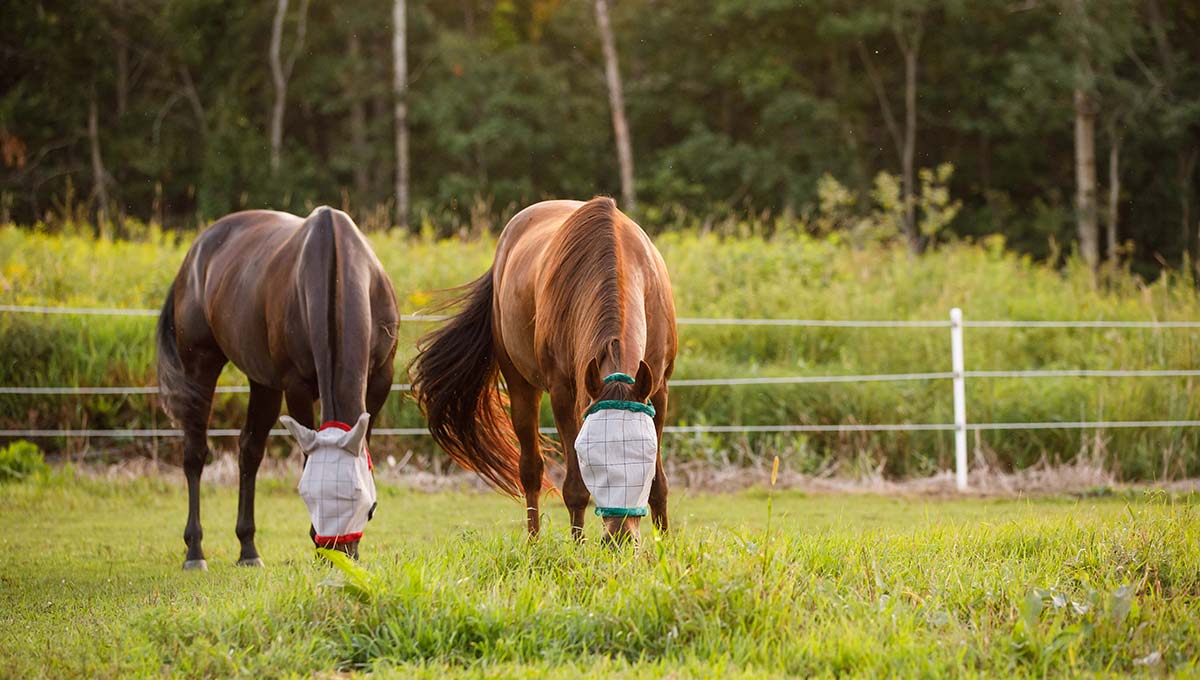
Flies, mosquitoes, and ticks will soon be on the move, be sure you are taking these steps to protect your horse from the pathogens of diseases they can spread and the annoyance they cause.
The fight against flies and other pests is ongoing. There is no way to win it in one move, no matter how well-planned your efforts are. If the battle is harder than it should be, it is possible you have fallen into one or more of the common mistakes that many horse owners inadvertently make.
Common mistakes
- Using ineffective products
- Using products not specified for horses
- Applying the product incorrectly
- Relying on sprays only
Using ineffective products
Before use, check the label to confirm that the product is effective against the specific pests you are dealing with.
“If you’re a horse owner who doesn’t want to see flies land on or stay on your animal, look for a product that says, ‘repels and kills,’” advises Casey White, entomologist and Senior Director of Technical Services and Innovation at Farnam's Research and Development facility in Dallas, Texas.
Using products not specific to horses
The only insect repellents you should apply to horses are those specifically labeled for equine use. Be sure to read the label and choose products that are formulated for use on horses.
Applying the product incorrectly
It might sound simple but apply the product according to the product label. Horses should be clean and dry when repellents are applied. It is important to use the recommended amount of insect repellent for your horse's size and weight. If you do not use enough, your horse may not be fully protected.
Relying on fly spray only
Depending solely on a fly spray can leave your horse without adequate protection.
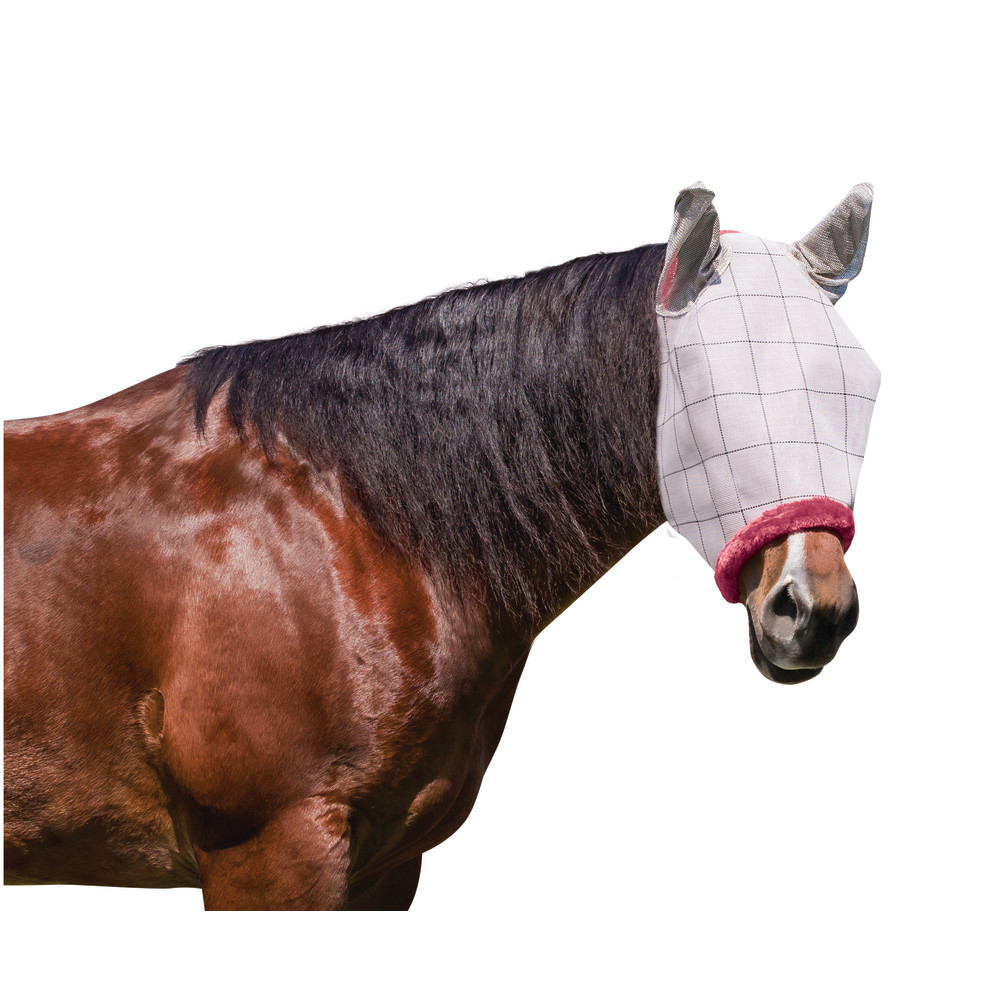
Use of physical fly control, such as horse fly masks, sheets and boots can be highly effective in preventing insect bites. In some scenarios, these physical deterrents can even be more dependable than fly sprays.
Best practices
Now that you know the common mistakes, you can avoid them. Getting educated on best practices helps us create an effective plan to fight flies around the barn and stable area, and knowing our horses are protected allows us to spend more time enjoying them. Learn more about fly control management with our Top 3 Methods of Fly Control.
Life with Horses Newsletter
Sign up now to stay connected with free helpful horse care tips, product updates, and special offers.