Use of Psyllium to Help Avoid Sand Colic
Sand colic occurs when a horse ingests enough sand or dirt for it to accumulate in the gastrointestinal tract. Many horses ingest small amounts of sand without harm, but if the volume is high enough, it can cause irritation or blockages in the colon. This obstruction prevents material and gas from traveling normally through your horse's intestinal tract.
While horses living in sandy or desert regions are often considered most at risk, any horse can develop sand colic if they regularly eat hay from the ground or graze on short, sparse pasture. Understanding the causes, symptoms, treatment options, and preventative methods for sand colic is essential for maintaining your horse’s digestive health and overall well-being.
Signs of sand build-up
Since horses regularly ingest small amounts of sand and dirt, the signs of sand accumulation are often subtle at first and can develop gradually over time, depending on the amount consumed. Because sand builds up slowly in the digestive tract, horses may experience ongoing mild digestive issues before more severe symptoms of sand colic appear. Sand accumulation can result in:
- Loose manure or diarrhea
- Reduced appetite
- Weight loss or difficulty maintaining body condition
- Irritation of the gastrointestinal tract – looking or biting at the horse’s sides
- Recurring mild colic episodes – walking away from food, laying down or restlessness after eating
As the amount of sand in the intestines increases, symptoms can progress to more serious signs of colic, including pawing, rolling, sweating, and severe abdominal pain.
Identifying presence of sand
Sand accumulation in a horse’s digestive tract can be detected through a combination of clinical signs, physical examination, and diagnostic testing. Veterinarians commonly use the following methods to identify the presence of sand:
- Abdominal auscultation: listening for sand moving in the intestines via stethoscope
- Rectal palpation
- Fecal sand floatation: manure is mixed with water to check for sand settling at the bottom
- Radiographs (X-rays): one of the most reliable methods for detecting sand accumulation
- Ultrasound: helps identify irritation or thickening of the intestinal walls associated with sand build-up
Routine wellness exams can help identify the presence of sand before a horse has an episode of sand colic. “We see all of our patients twice a year for wellness exams, and during those visits we use our stethoscopes to listen to the ventral abdomen,” says Christine Staten, DVM, a large animal veterinarian with Adobe Veterinary Center in Tucson, Arizona.
Sand moving through the horse’s colon creates a distinct sound that an experienced veterinarian can often recognize while listening to intestinal contractions with a stethoscope. “Because we’ve e listened to thousands of horses, we’re able to detect sand if it’s moving within the ventral abdomen,” Staten explains. “If we hear it, we can develop a plan to remove the sand before it leads to larger problems.”
According to Staten, “This early detection is especially important because horses that are actively colicking typically have reduced gastrointestinal motility, making the sound of sand much harder to detect during an emergency examination.”
Rectal palpation is another way veterinarians can detect sand in the horse's gastrointestinal tract. "We perform rectal palpations on all horses presenting colic symptoms to help determine the cause of their discomfort, and in some cases we can actually feel a sand impaction within the gastrointestinal tract,” says Staten, who has been practicing veterinary medicine since 1999.
“We can also do a fecal floatation test, where we collect manure directly from the rectum and place it in water,” says Staten. “Because sand is heavy, it settles to the bottom.”
A fecal sand flotation test can be performed using a large glass jar, a gallon-size resealable plastic bag, or even a latex exam glove. Horse owners can also perform this test at home. To do so, turn a gallon-size resealable plastic bag inside out over your hand and collect half a dozen fresh manure balls from the middle of the pile that aren’t touching the ground. Invert the bag and add enough water to fully cover the manure. Seal the bag, shake it thoroughly to encourage the manure to disintegrate, and place it upright on a flat surface to allow the contents to settle.
After about an hour, check the bottom of the bag to see if any sand has settled. The presence of sand indicates that there’s sand in your horse's digestive system. However, the absence of visible sand does not necessarily mean the gastrointestinal tract is free of sand.
“It may actually suggest a more serious problem,” Staten explains. “Sand that has accumulated in the colon and is no longer being passed in the manure may be progressing toward a sand impaction. That’s why regular veterinary examinations are so important.”
Although abdominal radiographs and ultrasound can be highly effective for diagnosing sand accumulation, these diagnostic tools are typically performed in an equine hospital setting and may not always be easily accessible or convenient.
Veterinary treatment of sand colic
Veterinary treatment for sand colic focuses on removing sand from the gastrointestinal tract, relieving discomfort, restoring normal gut function, and preventing complications such as intestinal blockage or damage. The specific treatment plan depends on the severity of the sand accumulation and the horse’s clinical condition. Common veterinary treatments include:
- Fluid therapy: oral or IV fluids may be used to improve hydration and help move sand through the intestines
- Nasogastric tubing: veterinarians may pass fluids, electrolytes, mineral oil or psyllium through a stomach tube to help flush sand from the digestive tract
- Psyllium supplementation: psyllium products are commonly used because they can help bind sand and support sand removal
“If we suspect or confirm that a horse’s colic is the result of a sand impaction, we typically administer IV fluids to help move the sand through the digestive tract,” says Staten. “We also give them large amounts of mineral oil directly into the stomach. Mineral oil can help soothe the gastrointestinal lining when irritated by the sand and may make it easier for the sand to pass.” If large amounts of sand are present in the gastrointestinal tract, routine treatment for sand colic may not be effective, and surgery may be necessary.
Even if sand colic is effectively treated by your veterinarian, it’s still recommended to take precautions to avoid future episodes by adjusting management practices.
Take proactive steps
One of the best ways to help prevent sand colic in horses is to take proactive steps to reduce the amount of sand and dirt ingested. These management practices include:
- Avoid feeding hay directly on the ground or over sandy or dirt surfaces
- Place rubber mats under hay feeders and feed buckets
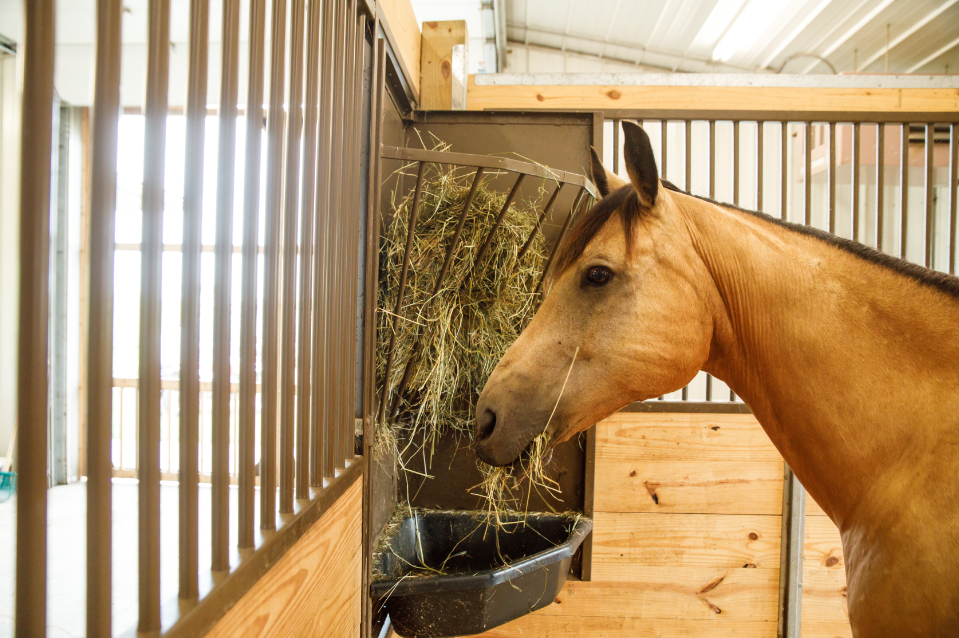
- Use slow feeders and hay nets or offer hay more frequently throughout the day to help alleviate boredom
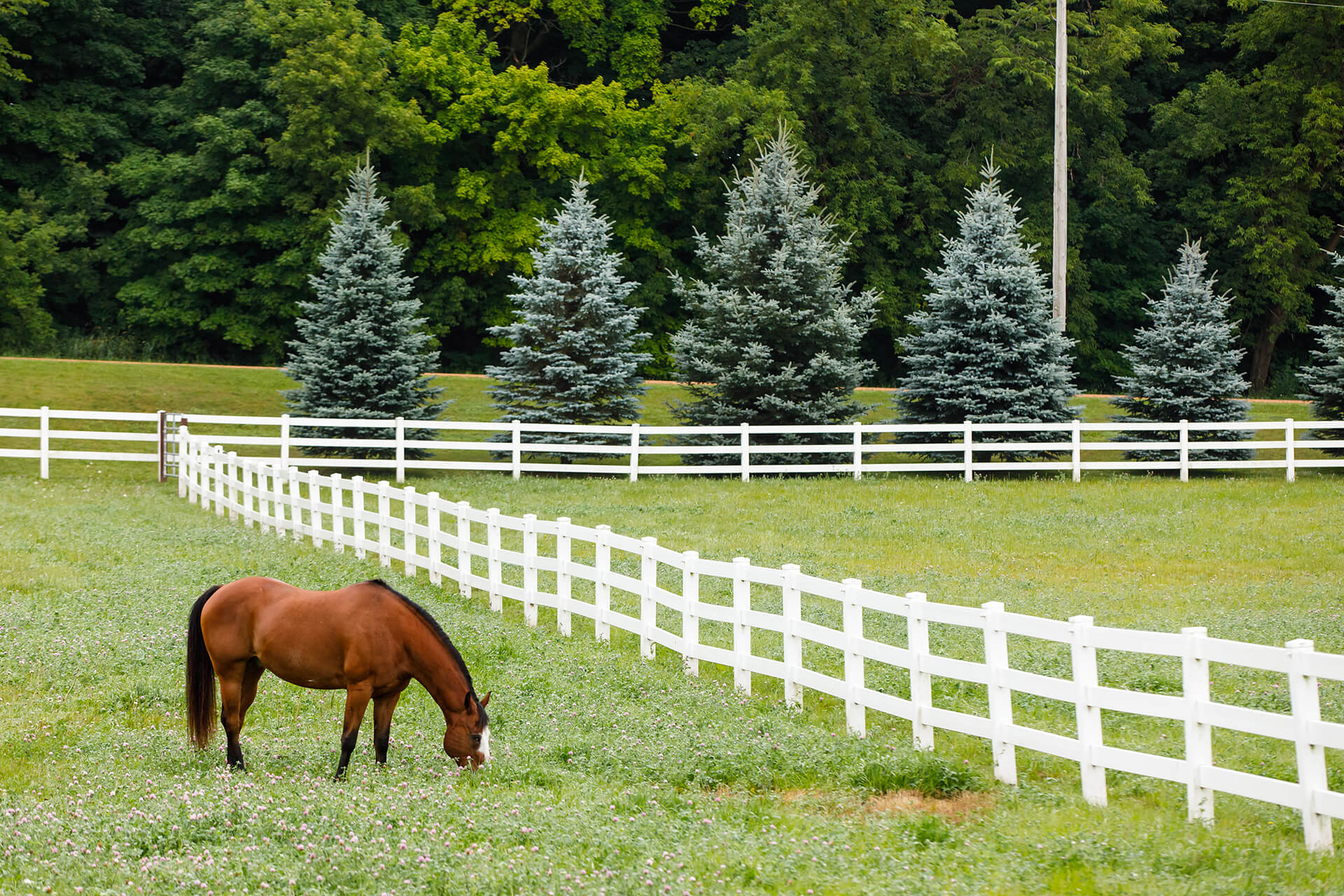
- Provide access to good pasture for grazing
- Maintain healthy pasture conditions and avoid overgrazing
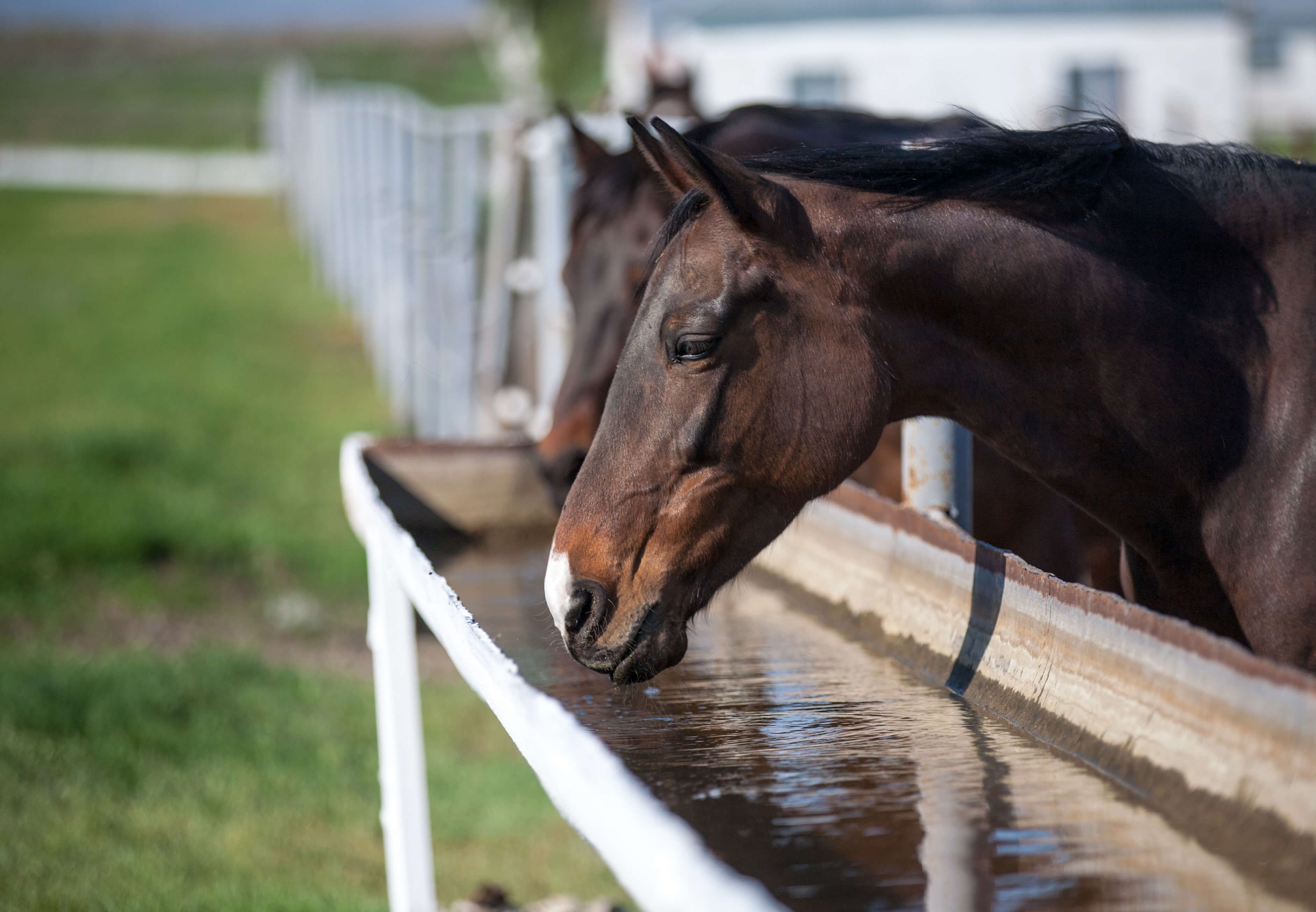
- Keep horses hydrated by providing constant access to fresh, clean water and electrolytes
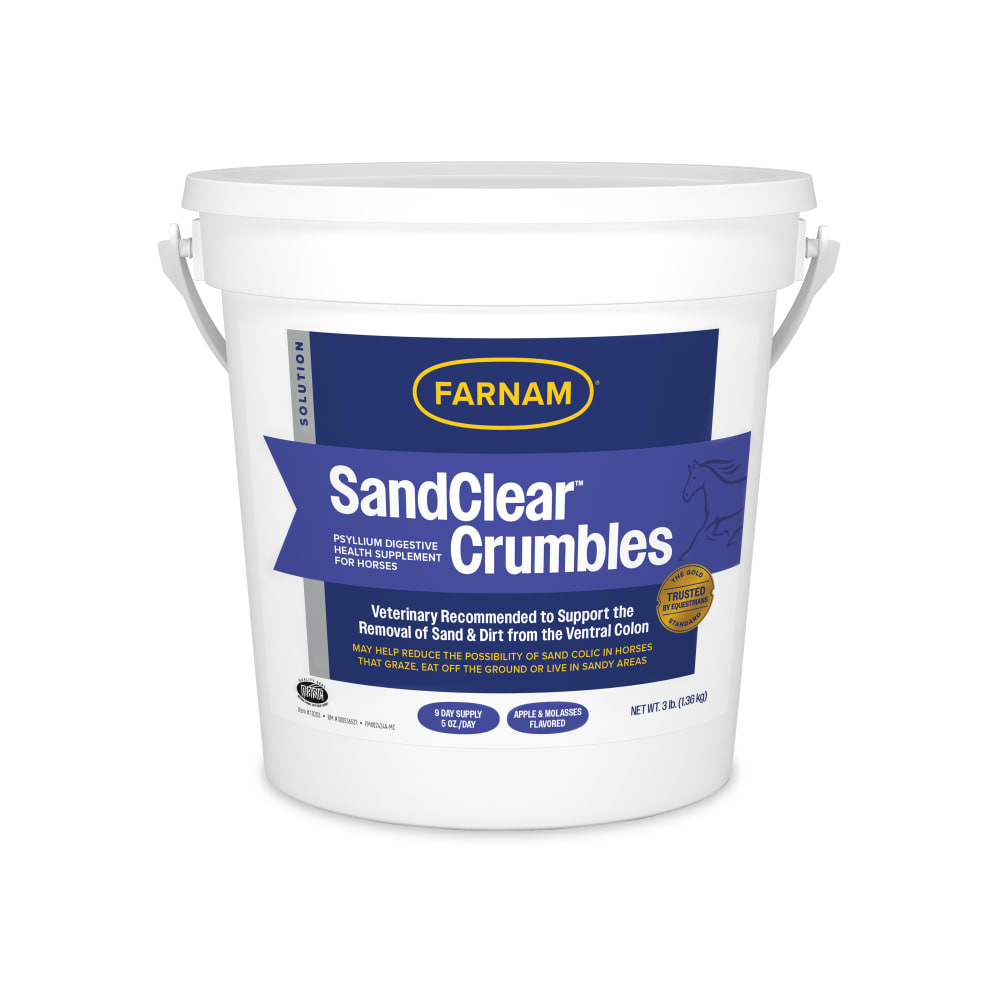
- Routinely use a psyllium-based product, such as SandClear™ Psyllium Digestive Health Supplement for Horses
Many horse owners feed hay directly on the ground to allow for a natural eating position; however, this allows the horse to pick up dirt or sand that may be present in the stall. Slow feeders are often recommended because they limit the amount of hay a horse can pull out at one time and help to keep hay off the ground. Slow feeders also encourage horses to eat smaller amounts over longer periods, which supports natural digestion and can help alleviate boredom.
Consistent forage intake plays an important role in maintaining a healthy gastrointestinal tract. Feeding hay only twice a day is far from ideal as it leaves the horse's stomach empty for hours at a time. Using slow feeders or allowing horses to graze on pasture helps create a steadier flow of forage through the digestive tract over longer periods, which encourages water consumption, another key factor in supporting normal gut motility and digestive function.
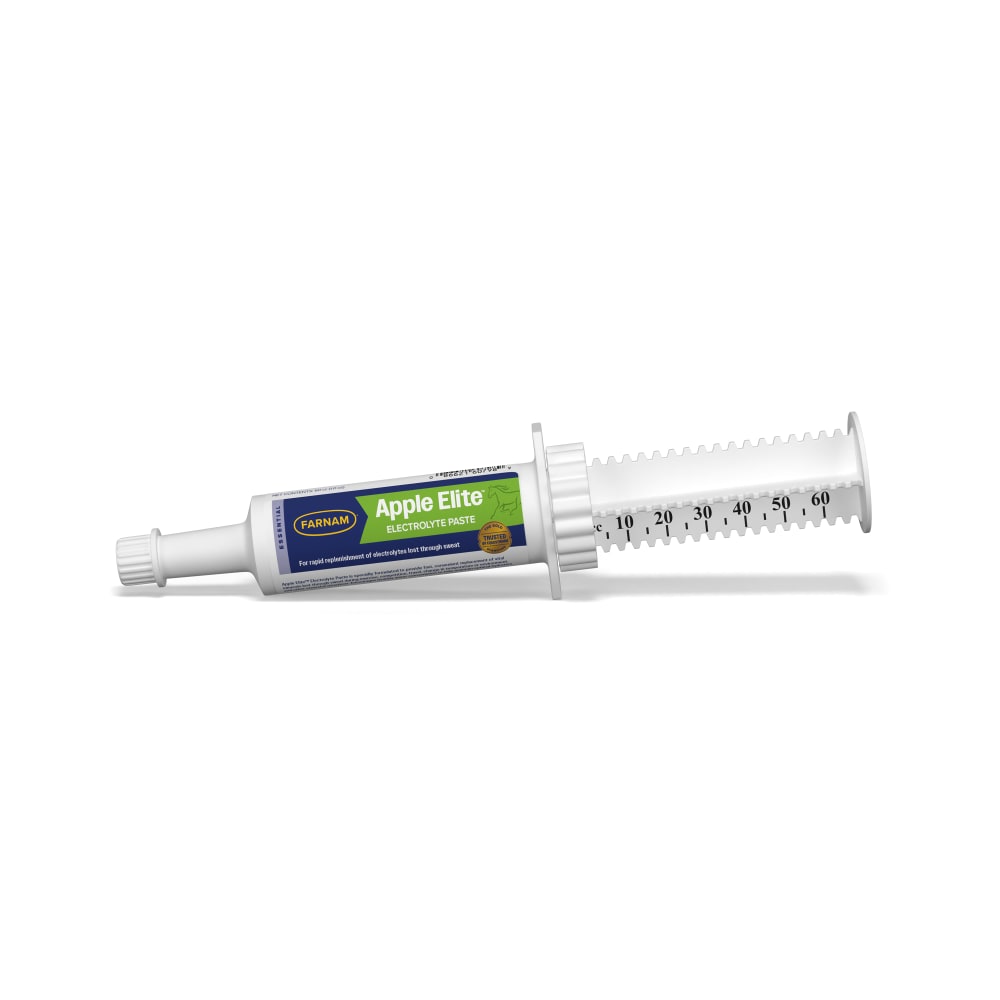
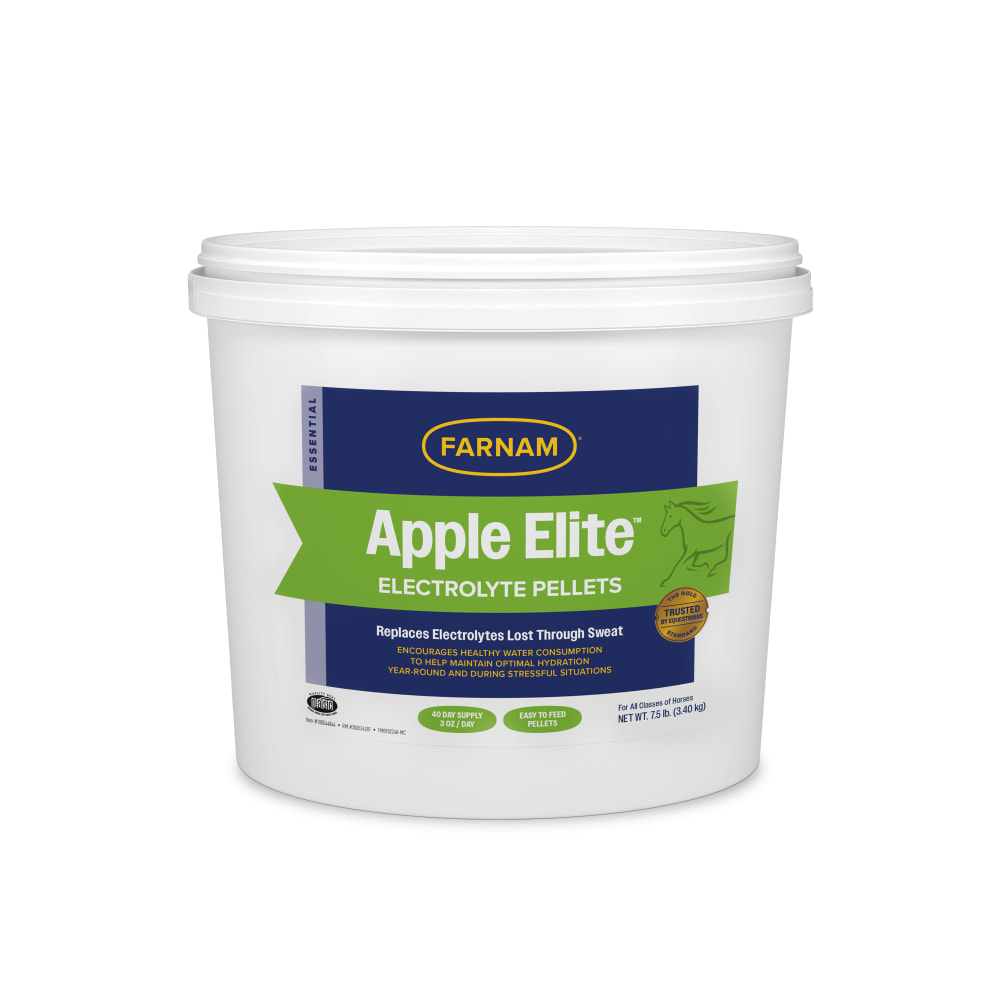
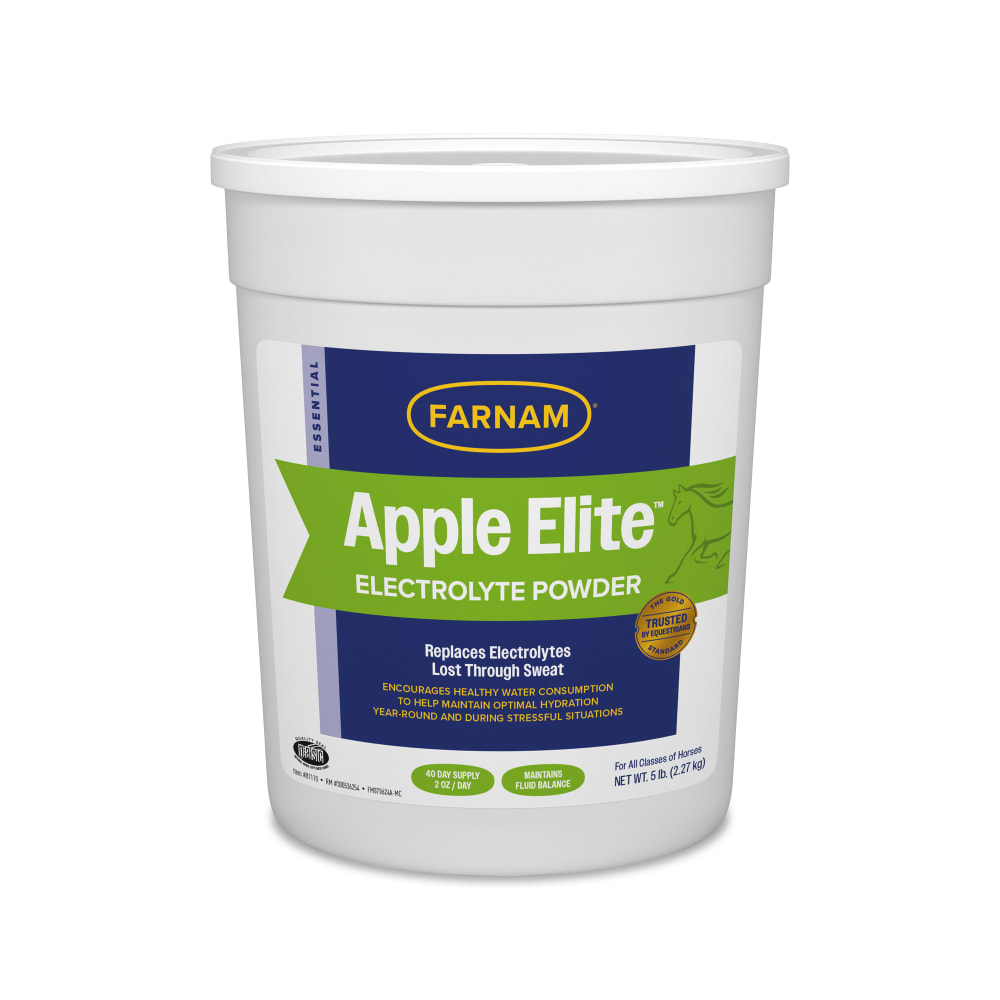
Proper hydration and electrolyte balance are essential for maintaining healthy digestion in horses, as the digestive system relies on adequate fluid levels to keep feed moving smoothly through the gastrointestinal tract. Electrolytes, such as Apple Elite™ Electrolytes, are available in multiple forms like Paste, Pellets and Powder, to meet the needs of all horses and offer horse owners more convenient, effective options.
Some horses are messy eaters and habitually toss their grain onto the ground. Horse owners can buy feed tubs with raised rims to help prevent spillage and sand consumption, but one of the best options is to place rubber mats beneath feeders and grain buckets. When using mats, they should be swept clean before each feeding to further limit exposure to dirt and sand kicked up in the stall.
Grazing is a natural behavior for horses, and if possible, daily turnout on pasture can help maintain normal digestive function. Although, proper pasture management is essential. Overgrazed fields with very short grass can increase the risk of sand ingestion, as horses may pull up entire plants along with the roots and surrounding soil.
Benefits of psyllium
Even with careful feeding and pasture management, it’s not always possible to completely prevent horses from ingesting small amounts of sand or dirt during their daily routines. Because horses generally eat feedstuffs off the ground and spend much of their time outdoors, accidental sand consumption is often unavoidable. For this reason, many veterinarians recommend the routine use of a psyllium-based supplement designed for horses.
Psyllium is made with naturally fibrous psyllium husks that form a gel-like consistency when mixed with water, which may help bind sand and carry it through the gastrointestinal tract so it can be passed in the manure before it accumulates and contributes to problems such as sand colic. Once it’s been ingested and entered the digestive tract, psyllium absorbs water and can increase bulk up to 5 times or greater to support intestinal regularity and sand removal. Flavorings, like apple or molasses, are often added to improve palatability and encourage consumption. Remember to work with your veterinarian to develop a feeding protocol that works best for your horse and situation.
“In our practice, we consistently see positive effects of oral psyllium supplementation in our patients,” says Staten, noting that most of the horses requiring veterinary attention for sand colic were not on a regular psyllium program.
“In southern Arizona, the sand is extremely heavy because it’s essentially crushed bedrock,” she explains. “In my experience, the most effective way to remove sand regularly from a horse’s gastrointestinal tract is by following a routine oral psyllium supplementation plan.” Staten adds that many of their patients are given psyllium for seven consecutive days each month, which is “a protocol that has proven highly effective in helping reduce sand accumulation.”
Although sand colic is often associated with sandy or desert environments, horses in any region can be at risk if they regularly ingest dirt or sand while eating or grazing, but with proper management and preventative care, it can often be avoided. By working with their veterinarian on a proactive, multi-pronged approach, horse owners can help maintain their horse’s digestive health.
Life with Horses Newsletter
Sign up now to stay connected with free helpful horse care tips, product updates, and special offers.
Featured Products
Related Articles
Observant Management Can Help Avoid Issues as Seasons Change
Conscientious horse owners know that each season brings its own set of unique challenges. Keeping horses healthy and happy requires being proactive and taking steps beforehand to hopefully avoid concerns. Read more to discover helpful tips to transition your horse comfortably during season and weather changes.