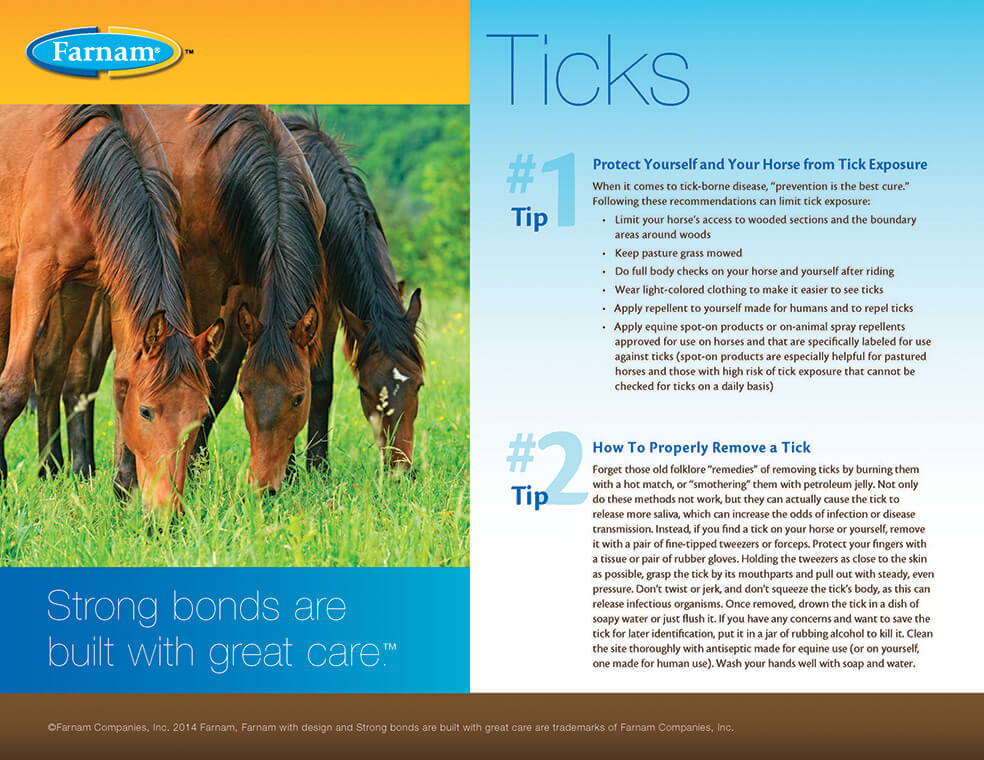
Changes in Tick Populations and Locations Put Horse Owners on Alert

You’ve probably heard the buzz that there are more ticks than usual lately.
Thriving populations of ticks aren’t exactly good news, so what’s going on and what do horse owners need to know?
- More ticks everywhere
- Ticks of concern
- Diseases impacting horses
- Where ticks lurk
- Safely removing a tick
- When to call the vet
- Protecting horses
“Ticks are on the move. We’re seeing more ticks in places they already were, and they are also going to new places, so there are more ticks everywhere,” says Brian Herrin DVM, PhD, DACVM, assistant professor of veterinary parasitology at the University of Tennessee College of Veterinary Medicine.
Herrin has spent years researching ticks. He played an instrumental role in the nationwide surveillance study at Kansas State University that created a baseline for the most common ticks found on horses in the United States.
There are more than eighty different species of ticks in the U. S., but not all of these are threats to horses.
More ticks everywhere
Ticks that have historically been identified in specific regions are expanding their territory. This includes two common ticks known to transmit multiple diseases--the lone star tick (Amblyomma americanum) and the black-legged tick (Ixodes scapularis), often known as “deer ticks.”
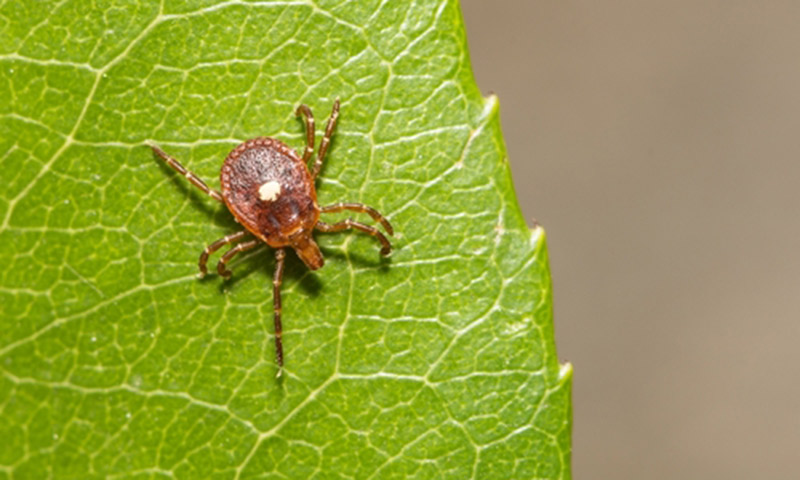
Lone star ticks can be identified by the white dot on their backs.
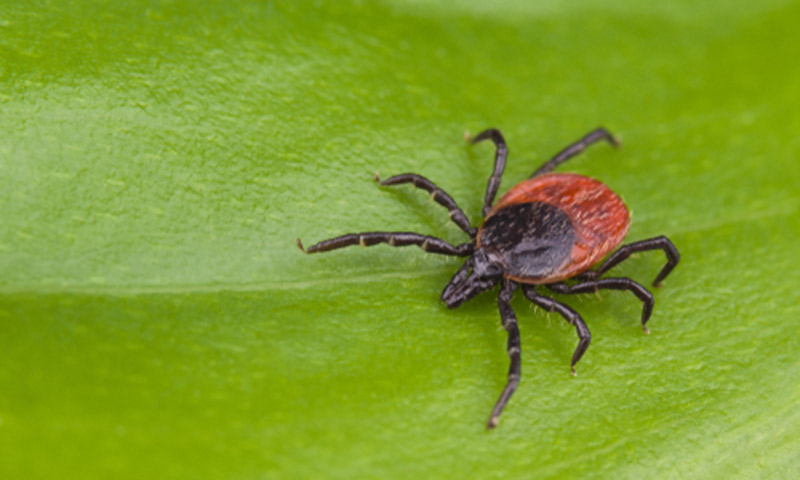
Black-legged tick (also known as “deer tick”)
Lone star ticks are moving northward, and black-legged ticks are moving south, bringing new risks to different areas. Animal owners and veterinarians can be taken by surprise when ticks are active in regions where they haven’t been a problem in the past, and during different times of the year.
Joining the two common ticks that horse owners should be aware of is a relatively new species—the Asian longhorned tick (Haemaphysalis longicornis).
“The longhorned tick is native to Asia but was introduced into the U.S in the last 10 years. This tick feeds on almost every mammal, as well as birds and reptiles,” Herrin explains. “It’s a high infestation type of tick, as in there can be thousands of ticks on one animal. There are reports of them killing cattle just due to sheer numbers. Because this tick can get to high populations in an area, it is a concern to horses.”
Longhorned ticks in the U.S. are also unique in that females don’t need to mate to lay eggs and reproduce, which sounds like something out of a creepy sci-fi novel.
Ticks of concern
The lone star tick, whose female is easily identified by the white dot, or “star” on its back, is known to be very aggressive.
“These are true hunting ticks. They can sense carbon dioxide and move towards it,” says Herrin. “They are fast moving and one of the harder ticks to kill.”
Another species that often uses horses as a host is the winter tick (Dermacentor albipictus), which is also known to infest moose, earning it the nickname Ghost Moose tick.
True to its name, this tick’s active season is during winter, and it’s found across North America. The main concern to horses is irritation and blood loss due to high numbers in one infestation.
“I’ve seen cases where a horse has thousands of winter ticks,” says Herrin. “You literally can’t put two fingers on the horse without touching a tick. The infestation can happen rapidly over weeks because all the life stages stay on the host animal. Very few ticks do this.”
Diseases impacting horses
With tick-borne disease on the rise, the main ones that affect horses in the U.S. are:
- Lyme disease (can also affect humans, dogs and cats)
- Anaplasmosis
- Equine piroplasmosis
These diseases are diagnosed through blood testing, but reaching a specific diagnosis can be difficult because tick-borne diseases are sometimes present with non-specific indicators, so veterinarians often have to consider numerous possibilities.
“Lyme in horses is really unique. It is often slower moving and can happen down the line,” says Herrin. “Anaplasmosis is more acute; you’ll usually see clinical signs in first few weeks after exposure.”
Where ticks lurk
Just like the bad guys in a crime movie, ticks don’t hang out in bright and sunny locations with no place to hide. If not attached to a host, they’ll find protection in woods, shady areas, layers of vegetation and tall grass.
Ticks don’t jump up off the ground to attack you—or your horse. They find a host through “questing.” Clinging to grasses, leaves or branches, they reach out with their front pair of legs. When a host animal walks past, the tick grabs hold. It then moves around the animal’s body to find its preferred spot to attach for a blood meal.
This is why you should stay in the middle of the trail when hiking or riding through wooded areas. Avoid brushing against vegetation, as this gives ticks the opportunity to latch on.
“Grass hitting you on the leg or your horse at knee height is ideal for ticks to get on,” says Herrin. “If you’re making trails on your property, make them wide enough that you don’t rub against high grass or branches.”
More effective tick checks
You already know different ticks are found in different parts of the country, but they also prefer different parts of a host animal’s body. Once they latch on, they’ll eventually make their way to their preferred location.
Knowing this helps you perform a more effective tick check on your animals--and yourself.
“Lone star ticks prefer warm, moist hidden areas. Think inguinal and axial (armpit) regions. The base of the tail and the perianal region is warm, moist and hidden from the sun, so check these places,” says Herrin.
“Ixodes (black-legged ticks) tend to be more on the head and neck, so check up under the chin and jaw,” he advises. “Some of the Dermacentor species like the head and neck but also in the mane.”
If you’re short or have a tall horse, stand on a step stool to get a better view down into the mane. It can help to use a comb.
You should always do a tick check right after you ride, but Herrin also recommends doing a second check the next morning.
“Ticks latch on wherever they can, but it can take time for them to move around on the horse to the areas they prefer to be,” he says. “Follow up and look again the next morning because this can give ticks time to get to where they want to be on the horse.”
The sooner you remove any ticks you find, the better.
There’s a widely held belief that a tick can’t transmit disease before being attached for 24 hours. Herrin says that although this is probably not true, the goal is always to remove any ticks before they’ve been on the host 24 hours.
Safely removing a tick
“We often talk about removing ticks with tweezers, but most tweezers have just a small pinch point at the end. A small pair of forceps works better,” notes Herrin.
When a tick is attached and feeding, it may appear to be buried in the animal’s skin. The whole idea is to remove the entire tick as soon as possible.
- Grasp the tick at its mouthparts right against the horse’s skin
- Pull straight back with even pressure
- Don’t twist or squeeze the tick’s body
Drop the tick in rubbing alcohol to kill it. Or you can just smash and flush it.
“Leaving the mouth parts attached is not the end of the world, but that is like leaving a splinter in the horse and can create a bigger reaction,” says Herrin.
“All tick bites set up secondary wounds that are attractive to flies and bacterial diseases.”
Clean the area with alcohol or an antiseptic formulated for equine use and apply a wound care product to aid healing. Keep an eye on the bite area, as some horses can have severe inflammatory reactions even after the tick is removed.
When to call the vet
“If you’re concerned about that tick, remove it, put it in a resealable plastic bag, and date it. Monitor yourself or your horse for clinical disease for the next two weeks,” suggests Herrin. “If something is off, that’s when you talk to your veterinarian or doctor and you can show them the tick then.”
Signs that something is wrong include:
- excessive bleeding from a cut
- unexpected bruising
- unexplained lameness
Herrin doesn’t recommend testing ticks for disease unless you or your animal develop clinical signs of disease, because it can give someone false positive or false negative feelings.
Protecting horses
For starters, realize there are no “tick-free” months. Ticks are a year-round concern, not just during warm weather. The winter tick, for example, is only active during cool seasons.
Adding to the challenge of tick control is the fact that horses sweat and we tend to bathe them frequently during warm weather.
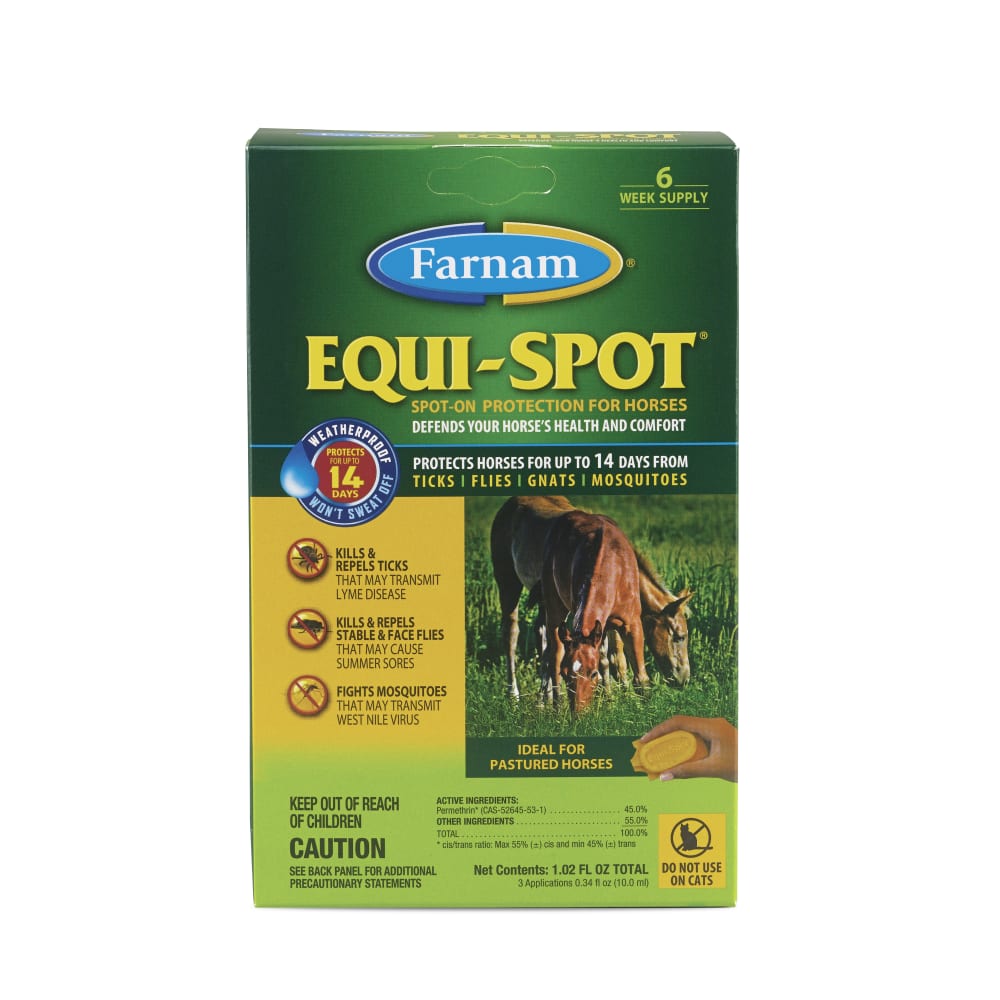
Horse owners need to be proactive about tick control. For horses that live outside 24/7 and aren’t groomed daily, a spot-on topical product labeled for ticks, like Farnam® Equi-Spot® Spot-On Protection for Horses, can be a useful part of a tick-control program.
Don’t use a product labeled for dogs and never use a premise spray on any animal, as it’s not formulated for skin. Always use products labeled for use on horses and specifically against ticks.
‘Think of it like sunscreen; you can’t put it on once in the morning and expect it to work all day,” says Herrin. “Many topical products for horses and people require re-application every few hours. Think about reapplying, especially before going out riding.”
At home, you can limit your horse’s exposure to ticks by:
- restricting access to wooded turn-out areas
- keeping pastures mowed so grass is just a few inches high
- maintaining a low mowed strip 8-10 feet wide between any woods and horse areas
- clearing tall grass and vegetation around fence lines and structures
Conduct regular full-body tick checks, even when using protection, especially if your horse has access to wooded areas. This helpful U.S. map shows where different species of ticks are commonly found: https://www.cdc.gov/ticks/about/where-ticks-live.html
Fight back against ticks
Protecting horses from ticks isn’t one-size-fits-all. Your horse’s living arrangements and weather conditions help determine the best methods to use. Depending on tick exposure, you may consider using multiple products at different times. Choose your approach accordingly.
Equi-Spot® Spot-On Protection for Horses
Convenient spot-on treatment offers on-going protection up to 14 days for the pastured horse you can’t spray daily.
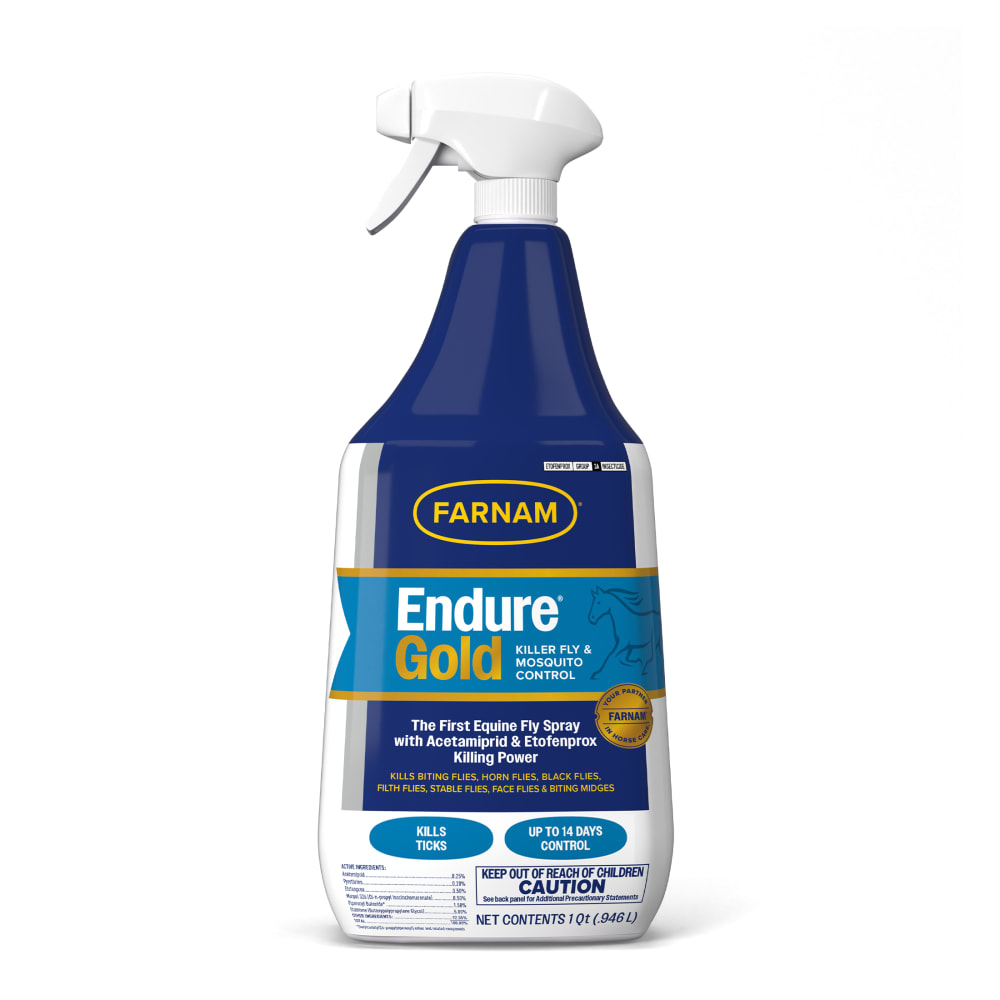
Endure® Gold Killer Fly & Mosquito Control
Advanced formula with active ingredients new to equine fly sprays provides the most up-to-date protection.
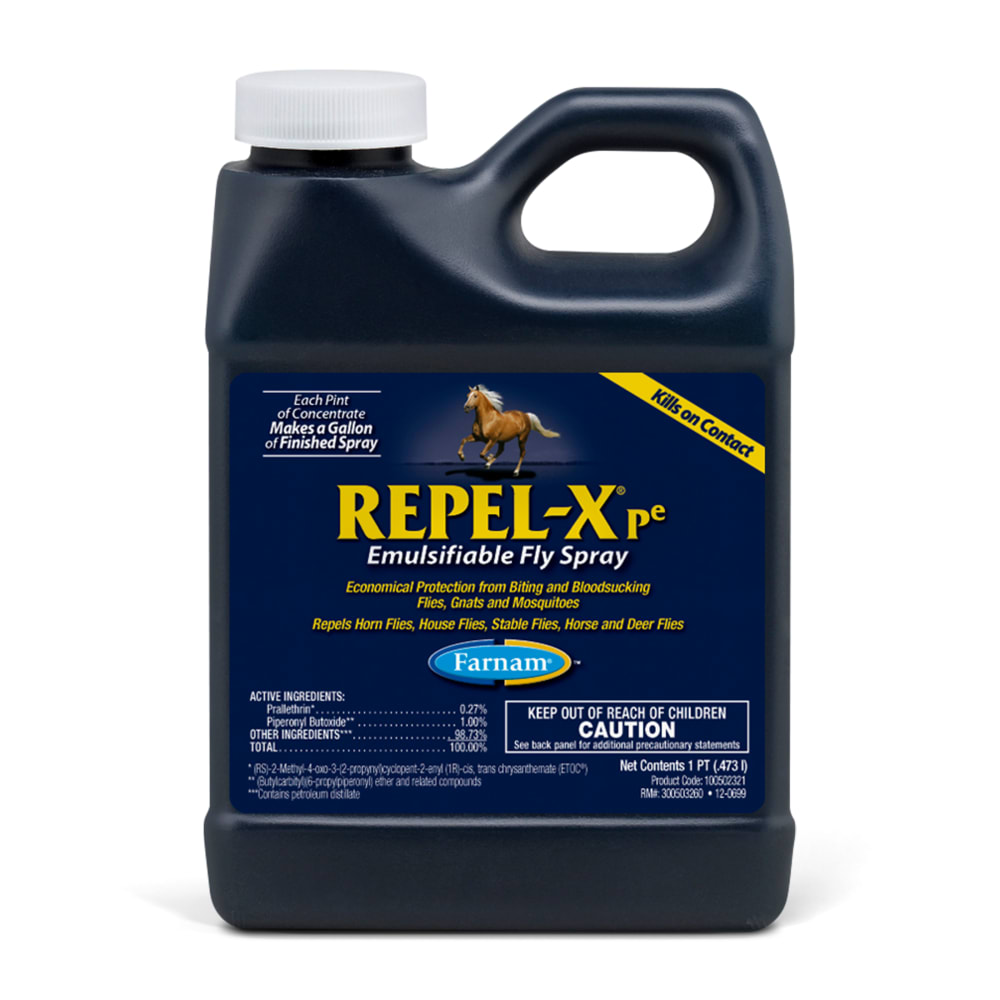
Repel-X® pe Emulsifiable Fly Spray
Economical concentrate mixes with water to apply daily as spray or wipe-on.
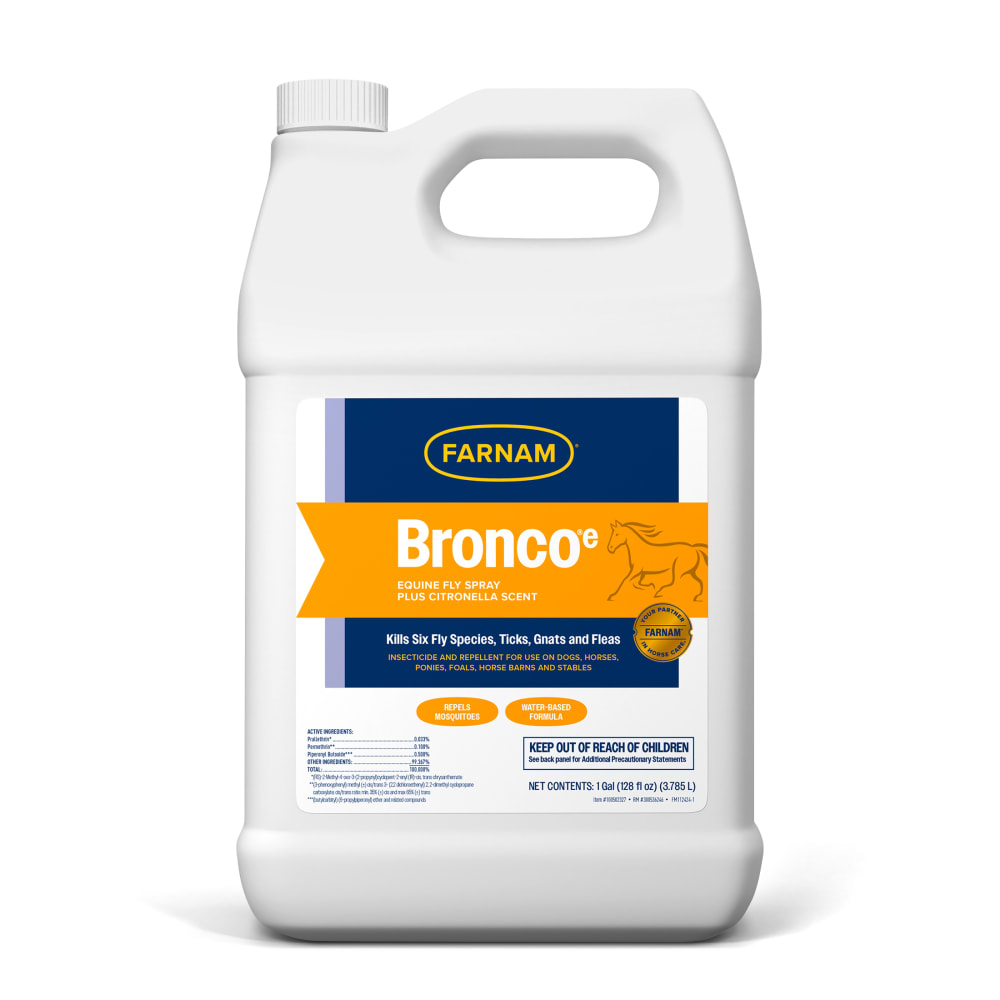
Bronco® e Equine Fly Spray Plus Citronella Scent
Multipurpose spray offers daily protection for horses. Also effective for dogs and premises.
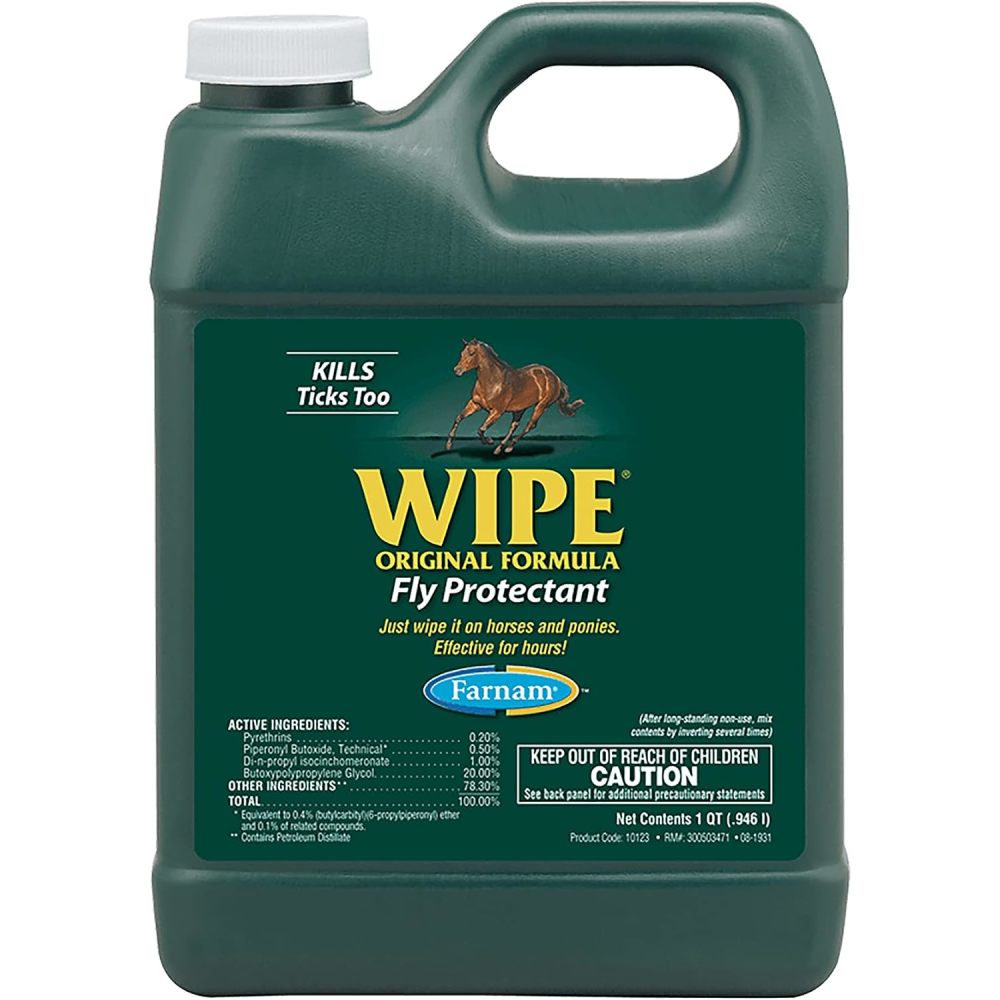
Wipe® Original Formula Fly Repellent
Targeted wipe-on application for daily protection. Find a tick during your check? Dab directly on attached ticks to kill them.
Life with Horses Newsletter
Sign up now to stay connected with free helpful horse care tips, product updates, and special offers.
Featured Products
Related Articles