Proactive Steps Can Protect Horses in Current New World Screwworm Outbreak
Learn how to protect your horse from New World Screwworm:
- What is New World Screwworm?
- Signs of infection
- Wound care vital
- Inspect, Report, Protect
- Eradication efforts
- Stock your toolkit
In the insect world, things can change unexpectedly—and not always for the good. A fly that had been eradicated in the U.S. for decades is suddenly back in the news as the culprit in a troubling outbreak near the southern border.
On June 3, 2026, New World Screwworm (NWS) was confirmed in a calf in Zavala County, Texas.
According to the USDA, as of July 3, 2026, there were 32 confirmed NWS detections. These cases were in cattle, sheep, goats and two dogs, with no confirmed cases in wildlife.
Because any mammal is a potential host, horse owners should be aware and proactive to protect horses and companion animals.
What is New World Screwworm?
Unfortunately, the New World Screwworm is a great example of an opportunistic insect.
The NWS is a parasitic fly that lays its eggs in the wounds of warm-blooded animals—including horses and livestock, domestic animals and wildlife. Any opening in the skin--including the navel of newborns and castration sites--can be an invitation for NWS female flies to lay hundreds of eggs.
When that happens and the eggs hatch into larvae, this can lead to myiasis, an infestation of maggots that feed on living tissue.
These flies earned their descriptive name because NWS maggots have a grooved screw-like appearance, all the better to drill down into tissue, which can be very destructive and painful to the host animal.
Animals infested with NWS must be treated within 7 to 14 days or they are at risk of dying.
If not detected and killed, maggots feed for about a week before dropping to the ground. Once they drop out of the wound, they burrow into the soil, only to emerge as adult NWS flies in a matter of days, depending on soil temperature.
Health officials obviously don’t want these flies to gain a foothold in the U.S. This is why it’s so important to monitor any potential infection and take immediate action.
Signs of infection
It’s unlikely that you would see adult NWS flies on or around your horse. You probably couldn’t positively identify them if you did spot any.
Rather than look for NWS flies, animal health authorities urge horse owners to be vigilant about inspecting their animals at least once daily. The goal is to find and treat any wound, even minor, before fly eggs can be laid.
“Any break in the skin is significant. It could be from a tick, biting flies, a scrape in the trailer or a rub from a skid boot,” cautions Chris Morrow, DVM, whose practice MVP Equine is based in Amarillo, Texas.
Clinical signs of NWS infection include:
- Lesion/wound enlarges or deepens instead of healing
- Visible maggots
- Bleeding or blood-tinged discharge from wound
- Foul odor
- Animal may appear in pain or discomfort
- Depression
- Lack of appetite
- Self-isolation from other animals
Most owners won’t see maggots feeding because these larvae burrow below the surface. Even a small wound can harbor many maggots underneath.
When a wound gets larger and deeper, this can indicate myiasis. If this happens, or you notice any other signs of infection, it’s important to contact your veterinarian immediately.
Should NWS maggots be identified in any wound, your veterinarian will carefully remove them with tweezers and place them in a container with alcohol. The veterinarian also files a report with the state’s Department of Agriculture and state veterinarian’s office.
Wound care vital
Close daily inspection of all animals is essential so that even a small wound can be identified promptly and properly addressed.
Upon discovery, thoroughly clean any wound or break in the skin. Use running water to remove any dirt, debris, blood and drainage. Pat the wound dry with a clean towel.
“The clean and clipped wound is always the happy wound,” says Dr. Morrow, who recommends having a pair of inexpensive clippers on hand. “You can buy portable clippers for literally $20 online. Clean the wound thoroughly and clip the hair from the edges of the wound so you can see it well.”
A wound in the muscle may need sutures. After cleaning, take a closeup photo of the wound and text it to your veterinarian to get their advice on next steps.
“If you have any doubt, cover the wound to keep it moist for the short term until the vet can suture it,” advises Dr. Morrow.
After suturing, or if sutures are not needed, the wound shouldn’t be kept moist.
“Use a product that doesn’t attract more debris to the wound. Farnam’s PuriShield would be great,” says Dr. Morrow. “You don’t want to put much on it, because you want to see what’s coming out of it.”
A fast-acting antimicrobial wound cleaner, PuriShield® brand promotes healing and skin repair while killing 99% of harmful pathogens on contact with continued 24-hour protection. This clear gel or spray makes it easy to monitor the wound.
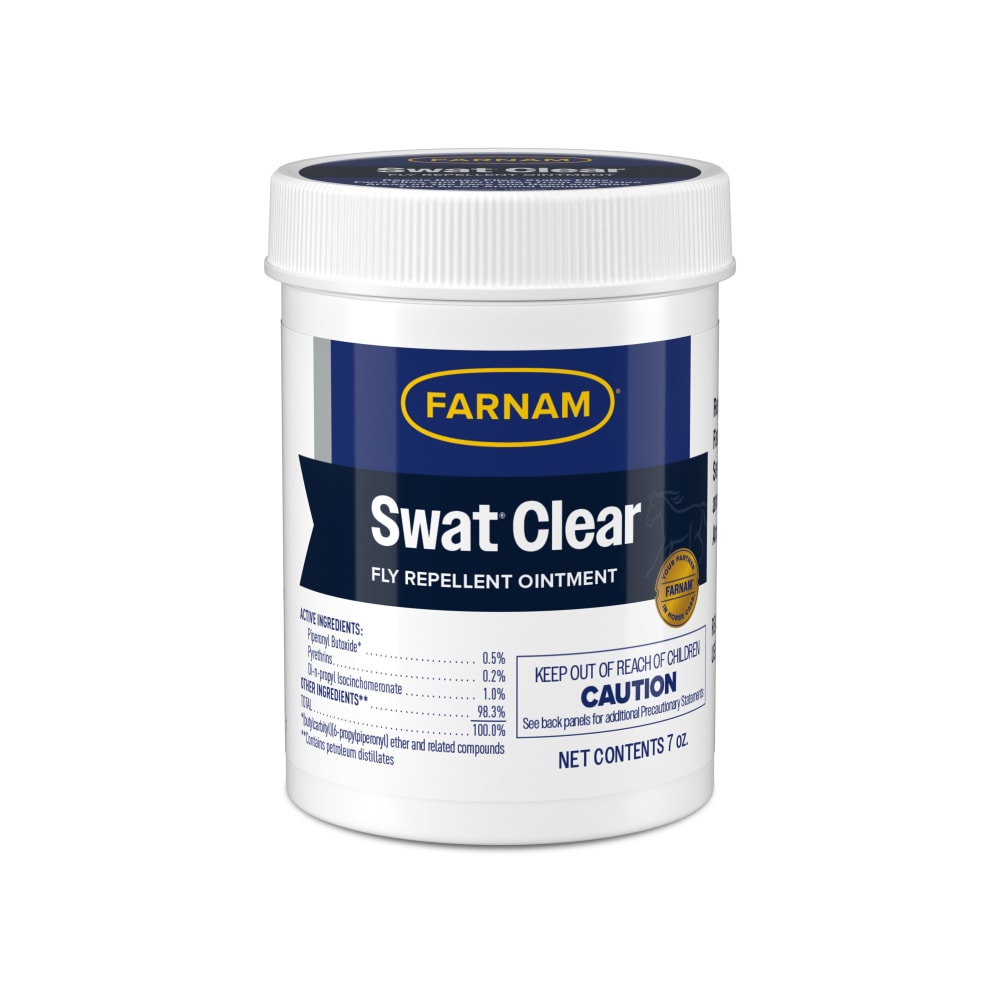
Deter flies from landing in the wound and laying eggs by applying a product like SWAT Fly Repellent Ointment around the injured area--not on it.
Keep a close eye out for any drainage.
“It’s usually the exudate from the wound that attracts flies, so if they don’t have that, flies don’t have a reason to be there,” says Dr. Morrow.
Inspect, Report, Protect
“There are not a lot of products labeled for control of NWS flies on the market today,” says Casey White, Sr. Director of Technical Services & Innovation at Farnam's Research and Development facility in Dallas.
“There are some indications that the NWS flies will use other fly feeding sites to lay eggs,” notes White, who recommends using on-horse products that control biting flies. “If we can minimize the feeding sites of other arthropods, that will limit the egg laying sites of the female NWS.”
Check the label on your fly spray.
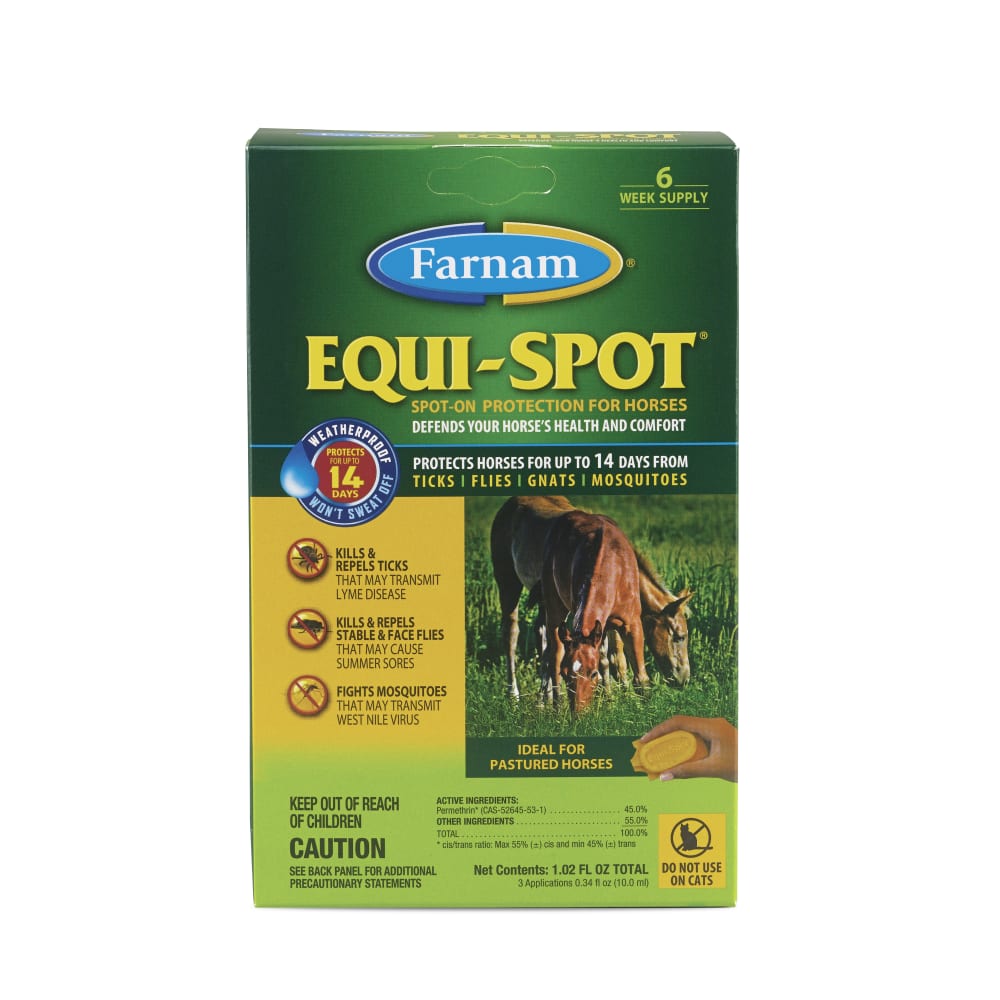
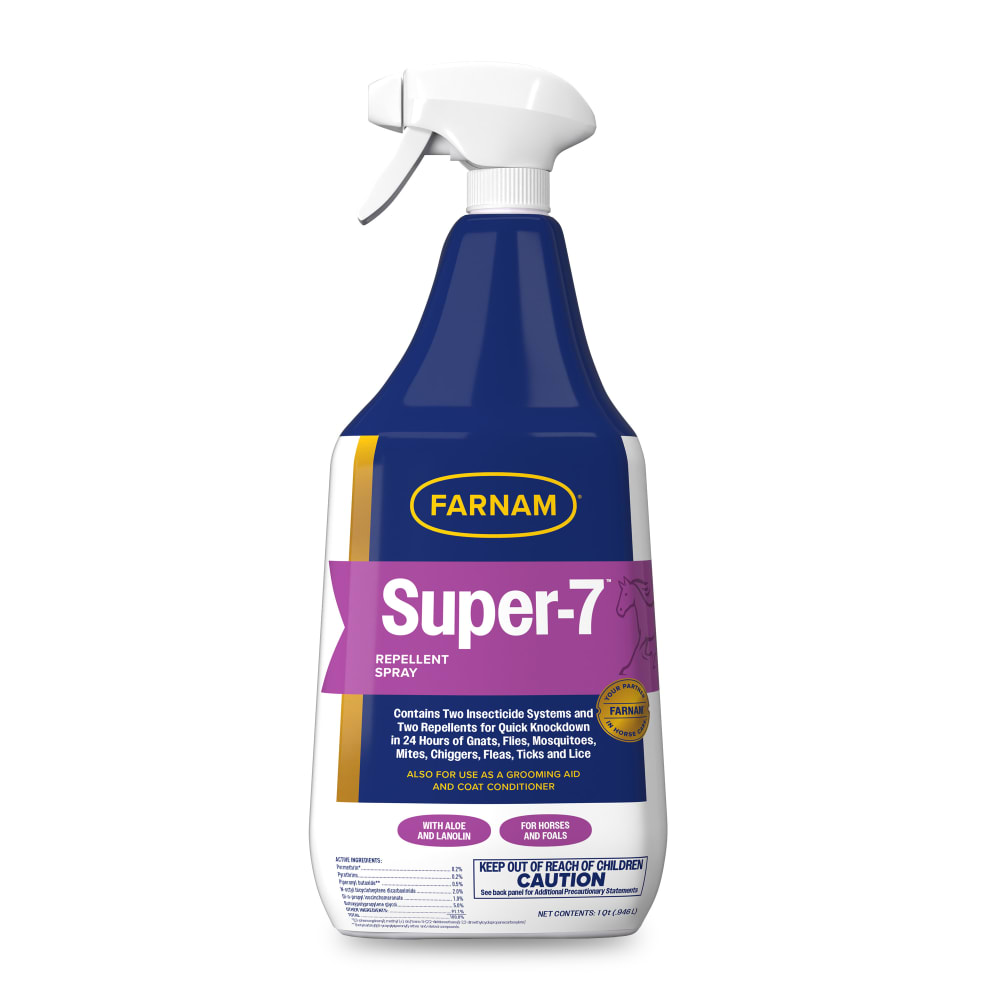
“Permethrins, pyrethrins and other synthetic pyrethroids are active ingredients that are effective against other blood-feeding arthropods, so the use of these fly and tick labeled products currently offered by Farnam can control these pests that could be used as egg laying sites,” says White.
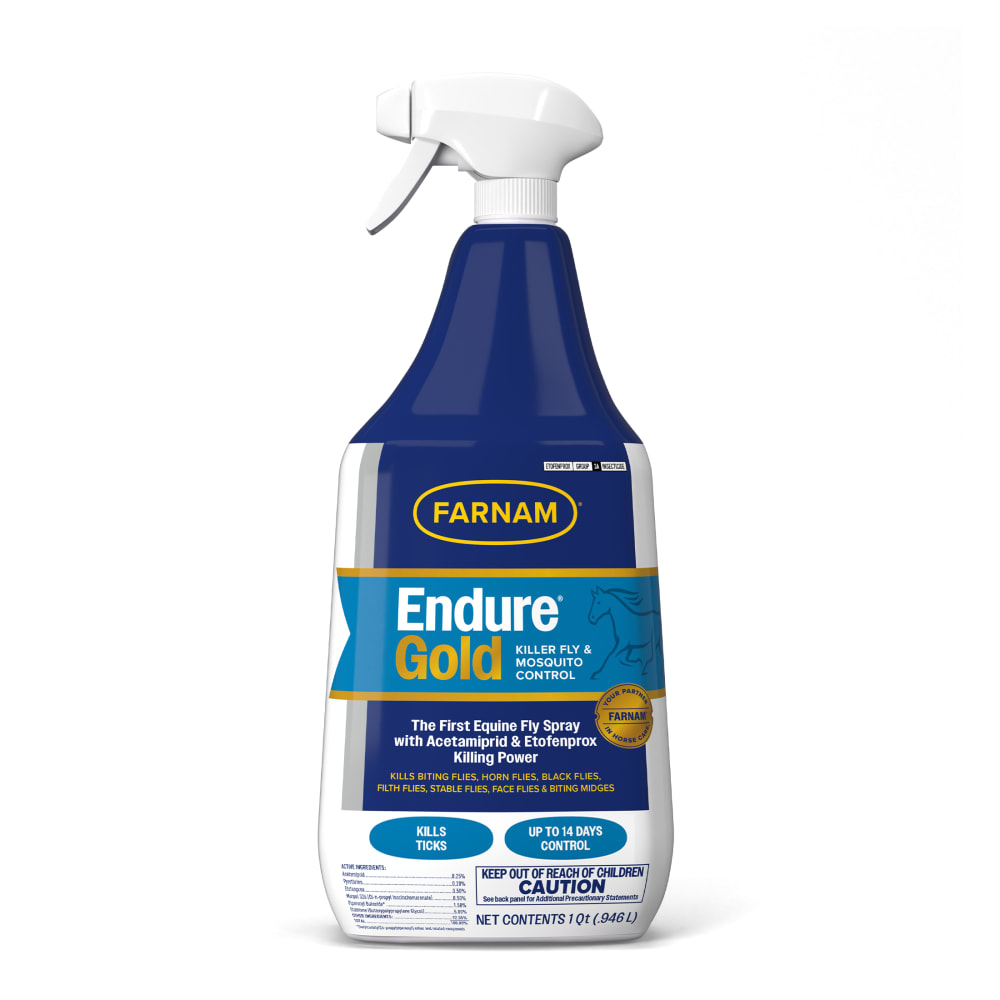
“Managing the horse’s environment is the best way to avoid this problem,” says Dr. Morrow. “We need to take away the places where flies can live around barns—manure, vegetation, etc. It’s basic husbandry that will get us through this.” He recommends horse owners use an effective fly spray, such as Farnam’s new Endure® Gold Killer Fly & Mosquito Control, along with physical barriers like fly masks, boots and sheets.
Eradication efforts
Decades ago, the USDA eradicated the NWS by using sterile insect technique.
Sterilized male flies are released to mate in areas with an established NWS population. Because female NWS flies only mate once in a lifetime, the eggs they lay won’t be viable. This causes the population to decrease and naturally die off in a few lifecycles.
“Inspect your animals daily and if you find anything suspicious in terms of larvae, report it to your local veterinarian or the appropriate authorities in your area. This will allow them to deploy the resources needed to drop the sterile male flies in those areas,” advises White.
“The release of sterile male flies is key to getting it under control and limiting the spread of the NWS flies,” says White, noting that this proven method is already being implemented in Texas counties where NWS cases were confirmed.
Any U.S. county within 125 miles of an infested Mexican state is considered high risk. An “infested zone” is any county and adjoining counties where the USDA or state animal health officials have confirmed a NWS breeding population.
Report suspected cases in Texas by contacting the Texas Animal Health Commission office in your region at https://www.tahc.texas.gov/agency/contact.html
Or call the State veterinarian at 800-550-8242.
For more information about NWS, visit https://www.aphis.usda.gov/animals/animal-health/livestock-and-poultry-disease/stop-screwworm
Stock your toolkit
Protect your horse with these Farnam favorites this summer.
Wound Care
- PuriShield Fast-Acting Wound Spray
- Wonder Dust™ Wound Powder
- Wound Kote™ Blue Lotion Spray Wound Dressing
- Scarlex® Scarlet Oil Spray Wound Dressing
- TRI-Care® Triple Action Wound Treatment
Fly Control
Life with Horses Newsletter
Sign up now to stay connected with free helpful horse care tips, product updates, and special offers.