Dealing With Severe Weather: Being Prepared Can Save Your Horse's Life
When the skies darken and the forecast turns uncertain, preparation becomes your most powerful tool. May marks the beginning of peak severe weather season across much of the country, bringing thunderstorms, flooding, tornadoes, and early-season hurricanes. For horse owners, these events don’t just disrupt routines. They can put both horses and humans at risk.
The good news? With a little planning and the right supplies on hand, you can face severe weather with confidence.
Why Preparation Matters
Emergencies rarely come with warning. Whether it’s a sudden storm or an evacuation order, you may have only minutes to act. Having a plan and the right equipment ready can make all the difference in protecting your horse and stabilizing injuries until veterinary care is available.
A well-stocked emergency kit allows you to respond quickly to wounds, stress-related issues, or environmental hazards, helping prevent minor injuries from becoming serious complications.
Build a Barn-Ready Emergency Kit
Your emergency kit should be easy to access, portable, and stocked year-round. Consider keeping one in the barn and another in your trailer for quick transport.
Essential Wound Care Supplies
In severe weather situations, cuts, scrapes, and puncture wounds are common. Prioritize these must-haves:
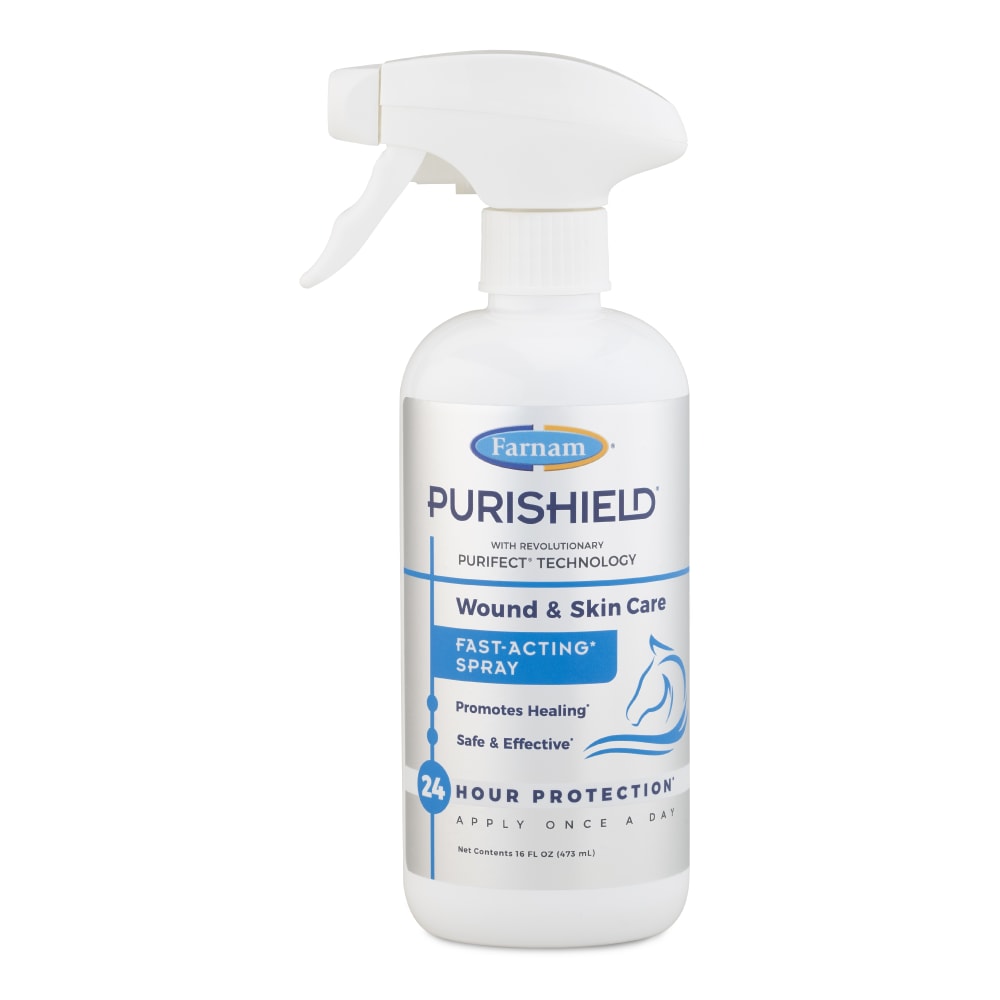
- Antiseptic solutions or sprays for cleaning wounds, like Purishield Fast-Acting Wound Spray
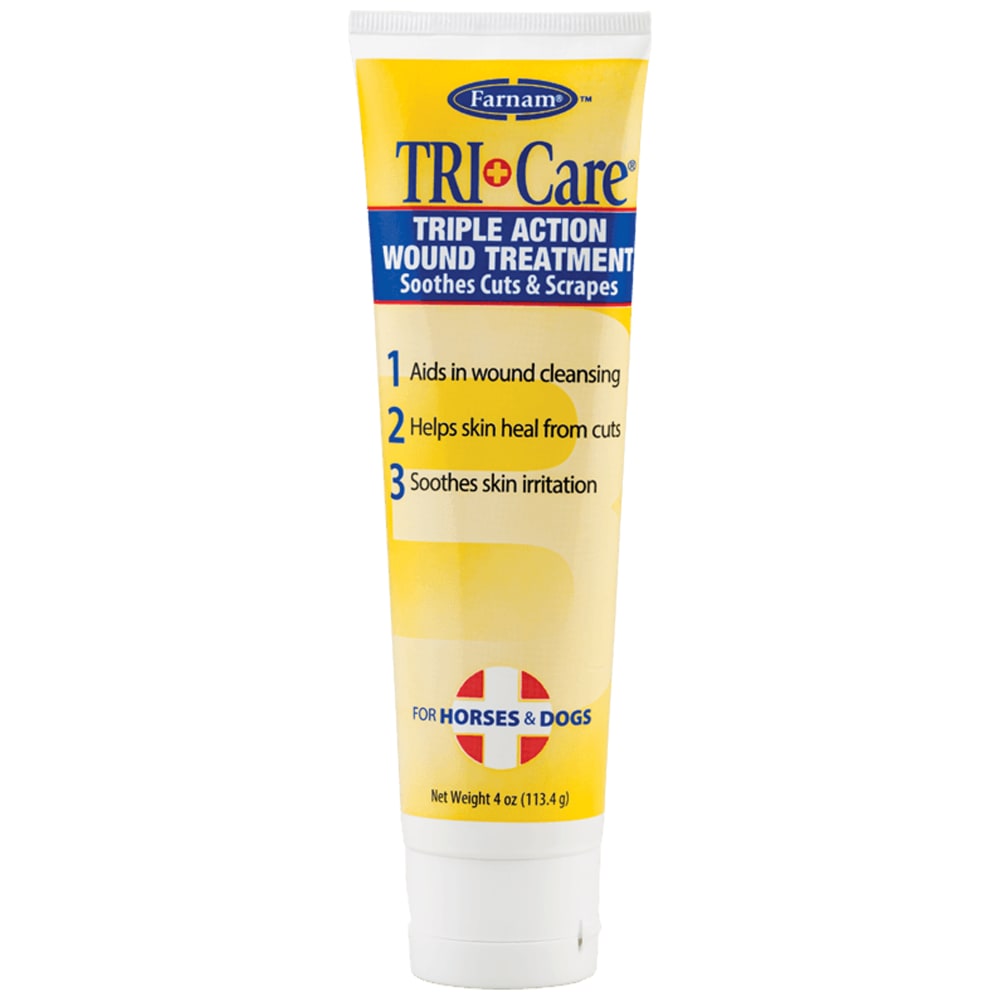
- Wound ointments to support healing, such as TRI-Care Triple Action Wound Treatment
- Sterile gauze, dressings, and bandages
- Adhesive tape or cohesive wrap
Quick, proper wound care helps reduce infection risk and promotes faster recovery.
Basic First Aid Equipment
Beyond wound care, your kit should include tools to assess and stabilize your horse:
- Digital thermometer
- Scissors and tweezers
- Disposable gloves
- Flashlight with extra batteries
- Hoof pick
These items help you evaluate your horse’s condition and respond effectively in stressful situations.
Emergency Support Items
Severe weather can disrupt power, access, and communication. Add these essentials:
- Health papers and a current Coggins for each horse in case you need to evacuate
- Emergency contact list (veterinarian, neighbors, evacuation sites)
- First aid reference guide
- Extra lead rope or halter
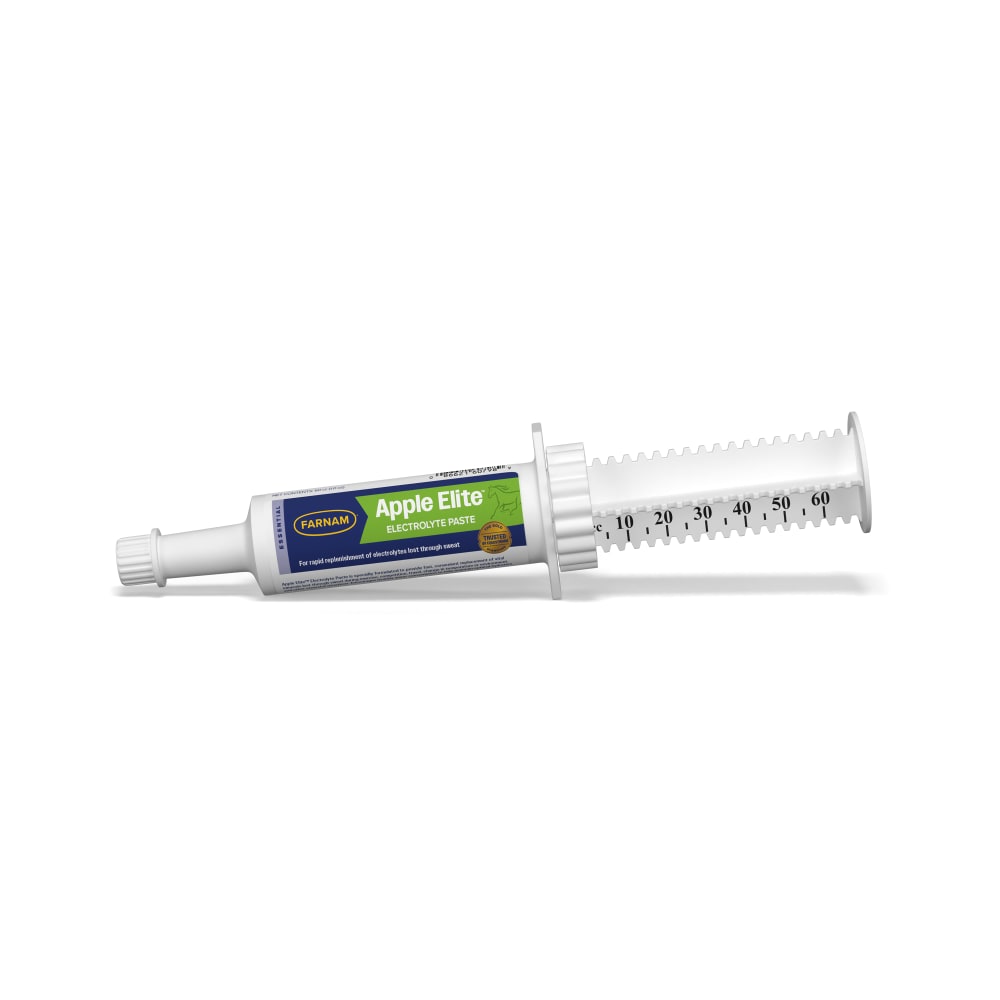
- Paste format electrolytes, such as Apple Elite Paste, to support hydration.
Being prepared isn’t just about treating injuries. It’s about sustaining your horse through the aftermath. Have enough feed and water readily available to support your horse for a minimum of 72 hours.
Store It Smart
Your emergency kit is only helpful if you can find it fast. Store it in a clearly labeled, weather-resistant container and keep it in a location that’s easy to grab, even in low visibility or stressful conditions.
Check your supplies regularly, replacing expired items and restocking anything you’ve used. Extreme temperatures can also impact product effectiveness, so rotate items as seasons change.
Have a Plan, Not Just Supplies
Preparation goes beyond the kit. Take time this spring to:
- Review evacuation routes
- Identify safe shelter options
- Practice loading your horse quickly
- Keep identification (photos, records) up to date
When every second counts, familiarity with your plan can save valuable time.
Peace of Mind Starts Now
Severe weather is unpredictable but your response doesn’t have to be. By assembling a thoughtful emergency kit with reliable wound care products and essential supplies, you’re giving your horse the best chance to stay safe and recover quickly if the unexpected happens.
This May, take a moment to prepare. When it comes to protecting your horse, being ready is everything.
Life with Horses Newsletter
Sign up now to stay connected with free helpful horse care tips, product updates, and special offers.
Featured Products
Related Articles
Dealing with Wounds: When and Why to Call the Vet
Whether your horse is at home, in the trailer, on a trail ride or at a competition, there’s never a “good” time for an injury. But because accidents can and do happen, you should know ahead of time what to do when your horse gets hurt. Many times, you won’t see exactly what happened and the wound can be hours old before it’s discovered. You arrive at the barn in the morning only to find your horse was injured sometime during the night. Or you show up to feed in the evening and see that your horse was hurt in the hours since you last saw him...
Emergency Wound Care: How to Stop Bleeding
Every horse owner should know what to do if an injury occurs. In an emergency, such knowledge could even save your horse’s life. No matter how the injury occurred, whenever a wound is bleeding, your first concern is to limit blood loss. You may have already called the veterinarian, but until help arrives, you need to take action.

Equine 911 - The Basics
Your horse isn’t acting normal or sometime during the night he managed to gouge himself in the leg, or he’s developed a sudden limp. These are typical situations that cause even experienced horse owners and riders concern. Although the lists below may not include everything that you would need to know, have or respond to, it covers many of the major types of emergencies that sometimes occur with horses...