How to Bathe Your Horse
Bath time can be one of the most rewarding parts of horse care. Beyond rinsing away dirt and sweat, it’s an opportunity to support your horse’s skin health, enhance coat shine, and spend quality time building trust. Whether you’re getting ready for a show or simply freshening up after a long ride, knowing how to bathe your horse the right way makes all the difference.
- The Best Bath Starts Before the Water Ever Runs
- Make Comfort a Priority
- Choose the Right Shampoo for the Job
- Rinse Thoroughly And Then Rinse Again!
- Dry, Condition and Finish Strong
The Best Bath Starts Before the Water Ever Runs
A successful bath doesn’t begin with the hose—it starts with proper grooming.
Taking time to curry and brush your horse beforehand removes loose hair, dirt, and debris that would otherwise turn into mud once water is added. It also helps your shampoo work more effectively, allowing it to reach the skin where it matters most. Don’t forget to detangle the mane and tail and pick out hooves before you begin.
Make Comfort a Priority
When it’s time to turn on the hose, think about your horse’s comfort first. While warm water is not a requirement, it can make the bathing experience more enjoyable for your horse. Some stables have the luxury of heated water, and if yours does, by all means, use it! Warm water may also open up your options on timing — you may be able to bathe your horse on a slightly colder day. However, you don't want to rely too much on the warm water; your horse will cool off quickly as soon as the water stops flowing. If you don't have a warm water option for your hose, but you'd like to bathe your horse with warm water, you can always fill a large bucket with hot water from the house and use it for rinsing.
Ideally, bath time will take place in a dedicated wash stall with safe footing that drains properly. This way, you won’t create mud that will immediately stain the legs you are working so hard to clean!
If a wash stall isn't available, try to bathe your horse on ground slightly higher than the surrounding area to take advantage of the natural run-off and keep your horse from standing in water. Be sure to use a hose nozzle designed for basic garden or yard work. These usually have multiple options to control the shape of the spray, and there's often a shower setting that works well for horse bathing. This setting creates a wide, gentle flow of water.
Always begin slowly, starting at the hooves and working your way upward. This gradual approach helps prevent startling your horse and builds confidence, especially for those who may be nervous around water. Wet the horse’s entire body and watch the surface dust and dirt flow away!
Choose the Right Shampoo for the Job
Just because the top layer of dirt has been removed doesn’t mean your horse is squeaky clean. Now is the time for deep cleaning the coat. Not all shampoos are created equal, and using a formula designed specifically for horses is essential for maintaining a healthy coat. Human shampoos or harsh soaps can strip natural oils, leaving skin dry and irritated.
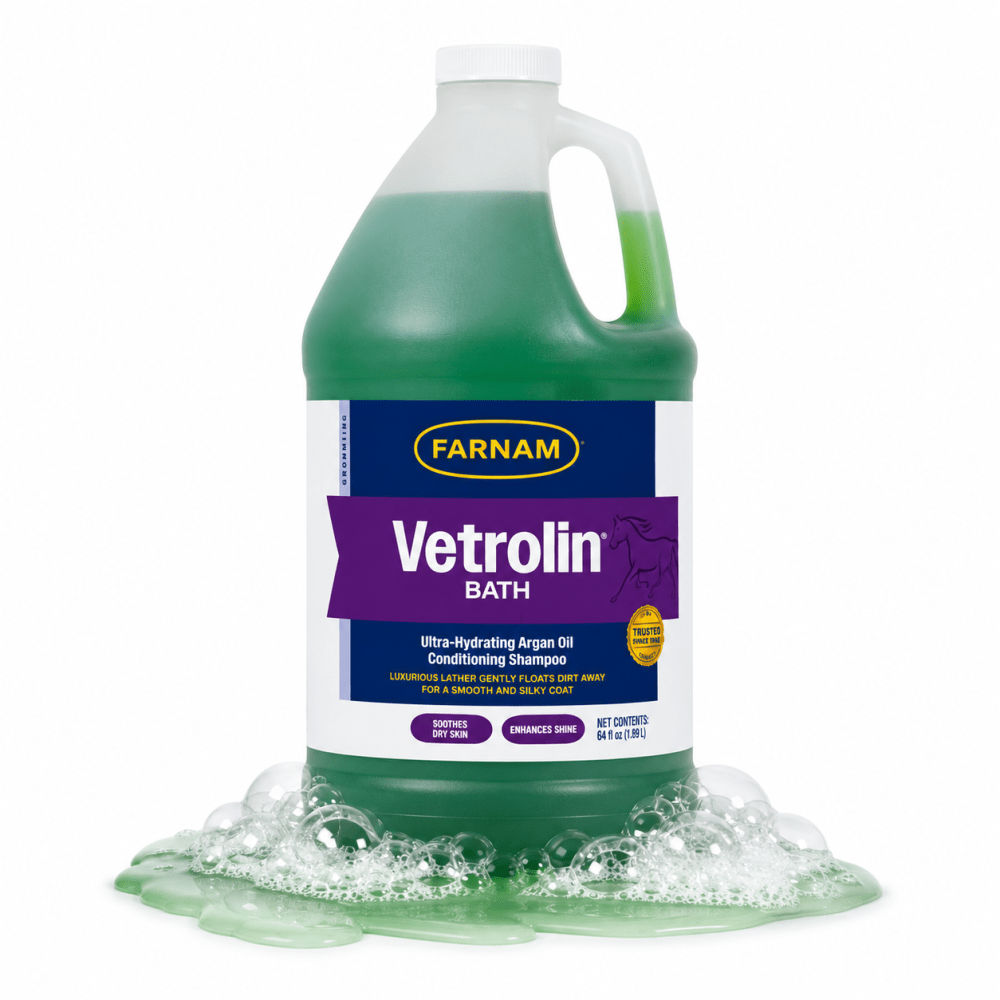
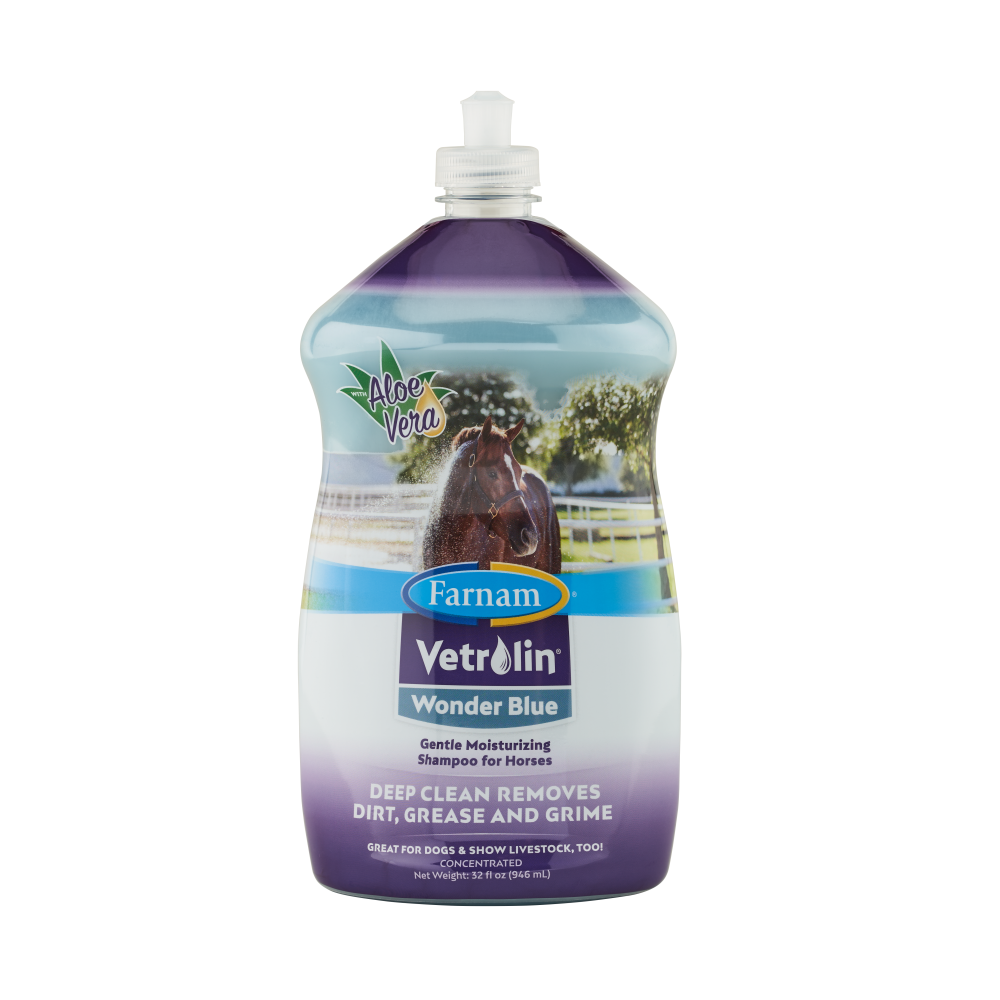
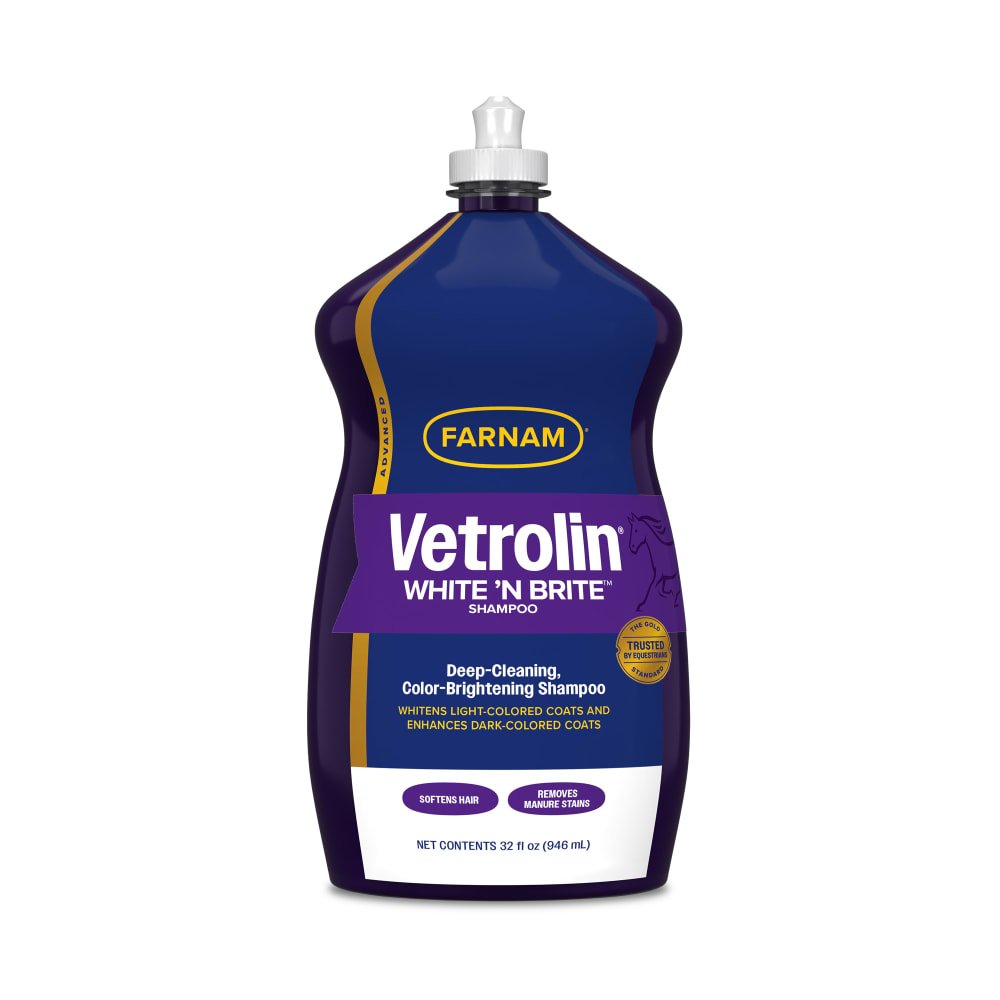
For a well-rounded clean and conditioned finish, Vetrolin® Bath Conditioning Shampoo is a go-to favorite. Infused with argan oil, it gently cleans while leaving the coat soft, shiny, and manageable. If you’re dealing with stubborn dirt or mud, Vetrolin® Wonder Blue Shampoo offers a deeper clean paired with the moisturizing properties of Aloe Vera. For a color-brightening shampoo that makes white markings sparkle and all coat colors pop, reach for Vetrolin® White ‘N Brite™ Shampoo for a show-ready look.
With your horse thoroughly wet, mix a couple of gallons of water in a bucket with a few ounces of shampoo. (Follow the directions on the bottle for specific instructions.) Apply the suds with a big sponge to generously lather up your horse's coat, starting at the poll and working down. Pay attention to areas where sweat and dirt tend to build up, such as behind the ears, under the belly and along the legs. (You don't want to pour shampoo directly onto your horse's body; this can lead to irritation and dry skin.) Don't forget to shampoo his mane!
Tip: Take care when working around the legs. Some horses may stamp their hooves when they feel water dripping off their bodies. And to wash the tail, gently dunk it right into the soapy bucket if he's not too fidgety.
Rinse Thoroughly And Then Rinse Again!
One of the most important (and often overlooked) steps is rinsing. Any leftover soap residue can lead to skin irritation, dullness, and discomfort.
Use the hose to gently spray the soap away from the head and down, starting at your horse's neck and working your way toward the tail. You can use your hand, a bath mitt, or even a brush to help wash away all the soap (and, hopefully, a lot of dirt and dandruff). Don't stop until all the soap has vanished and the water runs clear.
Tip: When you think your horse is completely rinsed, use a sweat scraper to test if there is still soap remaining in the horse’s coat. Run the sweat scraper along the neck, barrel and belly. If you see soap bubbles, either on the horse or running off the sweat scraper, time for once more rinse!
Don’t Forget the Face
Finally, put your hose down and gently clean your horse's face with a damp cloth or moist sponge, avoiding the eyes, nose, and mouth. You won't want to spray the face or ears with the hose, and you won't need shampoo here on these delicate areas. Just lightly and gently remove the dust and dandruff with the cloth.
Dry, Condition and Finish Strong
Your horse needs to be mostly dry before returning to his stall or pasture. The constant dripping water is usually annoying to horses. And if he's not dry, he'll most likely drop and roll immediately, messing up your hard work (more on this in a second).
You can remove most of the water from your horse's coat and help him dry faster if you use a sweat scraper. Despite the name, this tool gets more use removing water than sweat. Firmly run the flexible blade of the sweat scraper across your horse's body in long motions, similar to how you would use a dandy brush. And avoid the same regions you would avoid when using a curry comb.
This squeezes excess water out of your horse's coat, and a gentle flick of the scraper at the end will help repel beads of water off him. You can't get all the water off this way, but you can get close. You might need a towel or two for further drying, and a nice warm sun can work wonders. If the day is a little chilly, you might need to blanket your horse until he's totally dry. (And always be sure your horse's legs are completely dry before returning him to his stall to avoid irritation.)
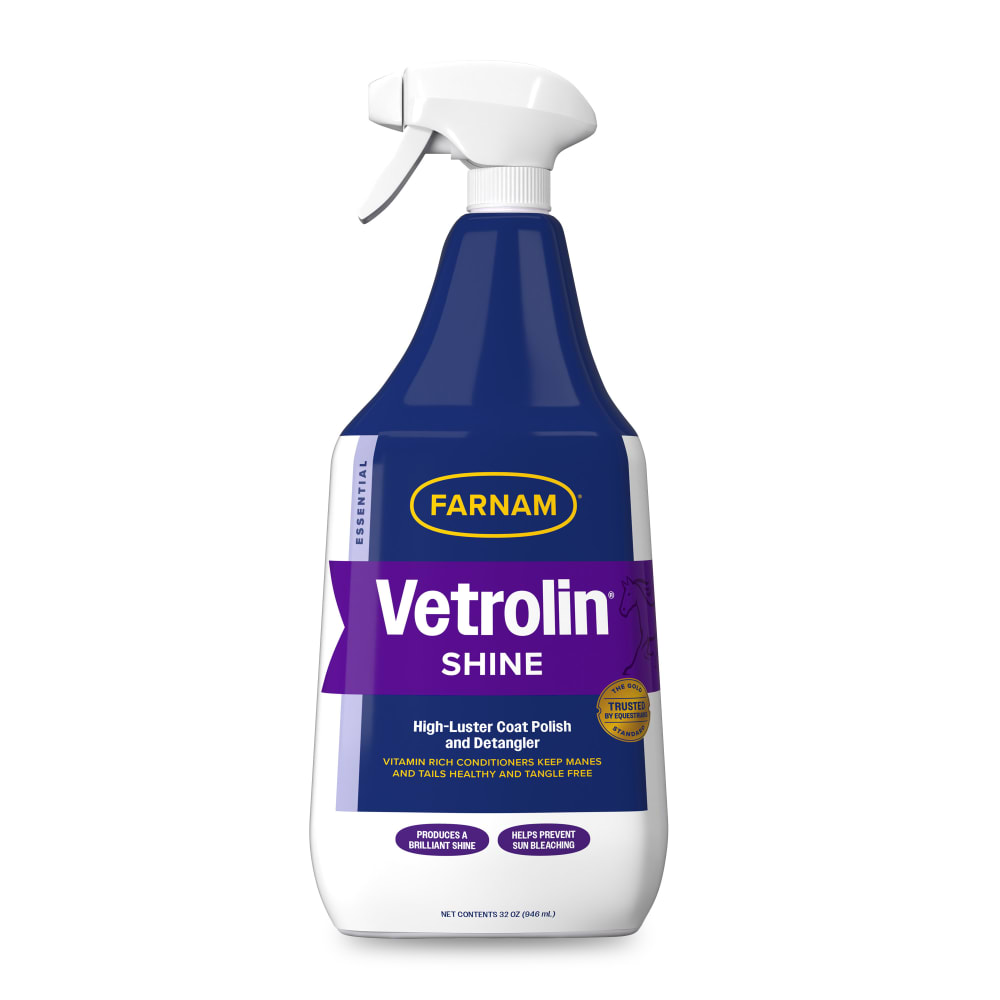
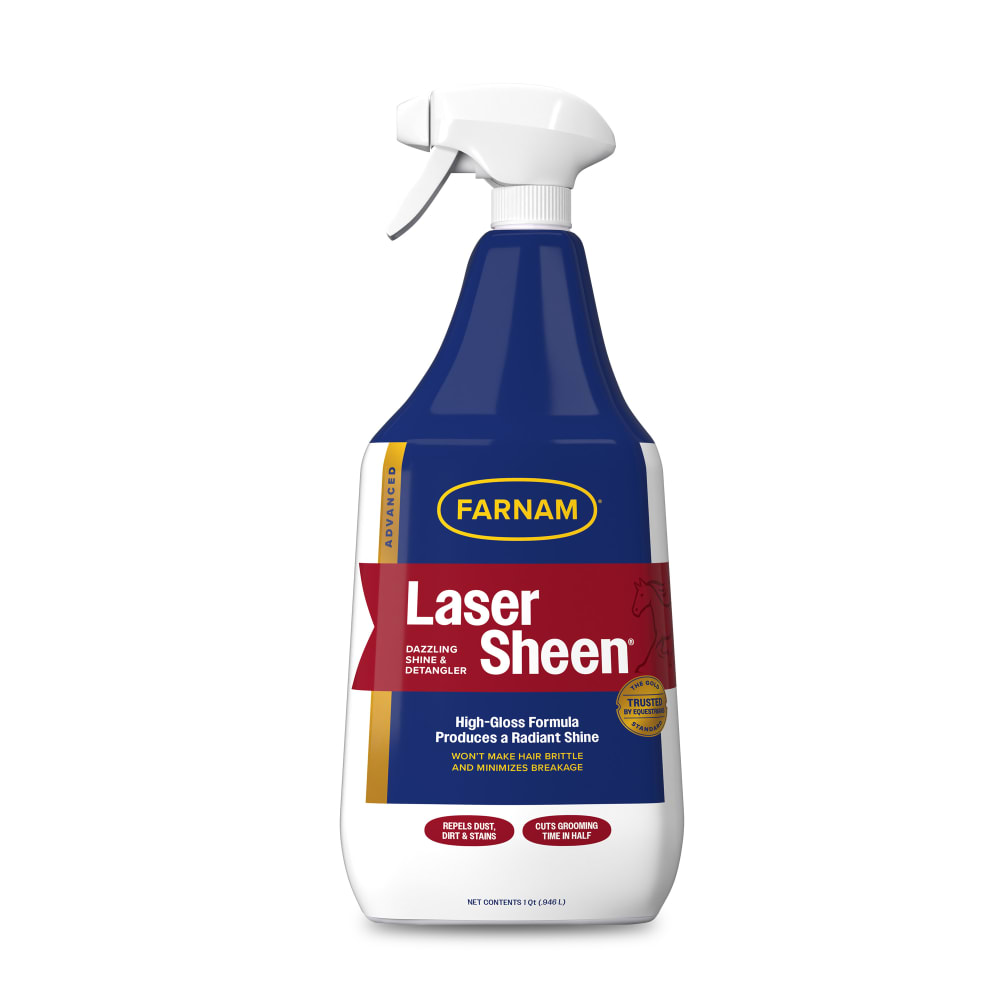
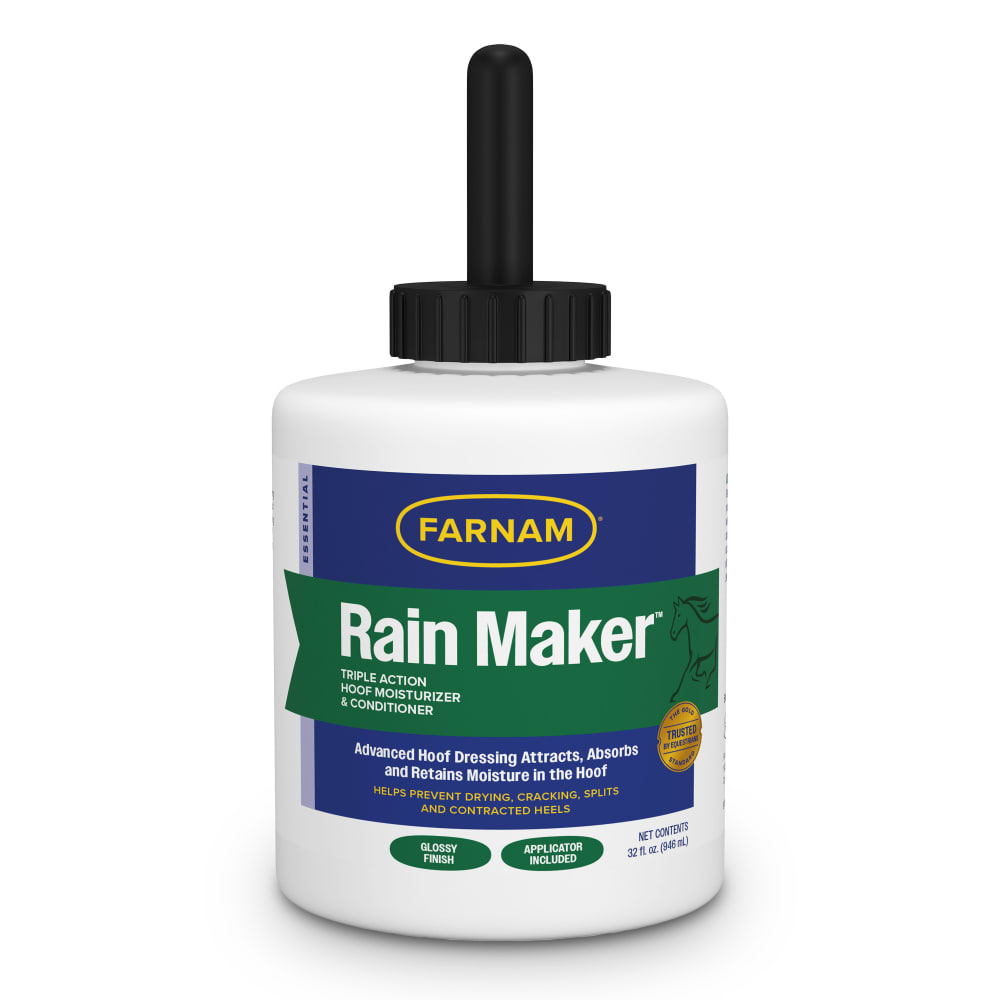
Once your horse is dry, this is the perfect time to elevate that freshly bathed look. A finishing spray like Farnam Laser Sheen Dazzling Shine & Detangler or Vetrolin Shine helps detangle while adding a healthy, polished glow. After applying to the coat, be sure to brush the hair down. For hoof care, applying Rain Maker® Hoof Moisturizer post-bath helps lock in hydration and complete your grooming routine.
Finally, Ease the Roll!
You may get away without him rolling immediately upon turnout if you can wait until his coat is completely dry. But horses love to roll after a bath! If he's mostly or completely dry, there won't be as much moisture to re-collect the dirt and sand if he does roll. If you really need him to stay looking his best (i.e., a show is coming up), make sure his stall is very clean with a deep bed of fresh wood shavings. These easily brush off and won't stick much, especially if you used a finishing spray product earlier.
How Often Should You Bathe Your Horse?
While baths are essential in certain situations—like after intense rides, during shedding season, or before competitions—they don’t need to happen every day. Over-bathing can strip natural oils, so in many cases, regular grooming or a quick rinse is enough to keep your horse comfortable and clean.
The key is balance: bathe when needed, and support coat health in between with consistent grooming and high-quality care products.
Bathing your horse doesn’t have to be a chore. With the right preparation, thoughtful technique, and trusted products, you can turn bath time into an enjoyable routine that supports your horse’s health and highlights their natural beauty.
Life with Horses Newsletter
Sign up now to stay connected with free helpful horse care tips, product updates, and special offers.